
Your home gives small warning signs before a big foundation problem starts. A crack in the wall or a door that suddenly sticks can point to trouble. Many people ignore these warnings because the house still looks normal from the outside. This is your house, my friend and that mistake can cost you a life or money at least.
One homeowner saw a small crack near a bedroom window after heavy rain. He thought it was not a big deal. A few months later, the crack got larger and the window stopped opening properly. The repair became much more expensive.
Cracks In Walls and Ceilings
Small cracks can happen as a home gets older. Large cracks or growing cracks are more serious.
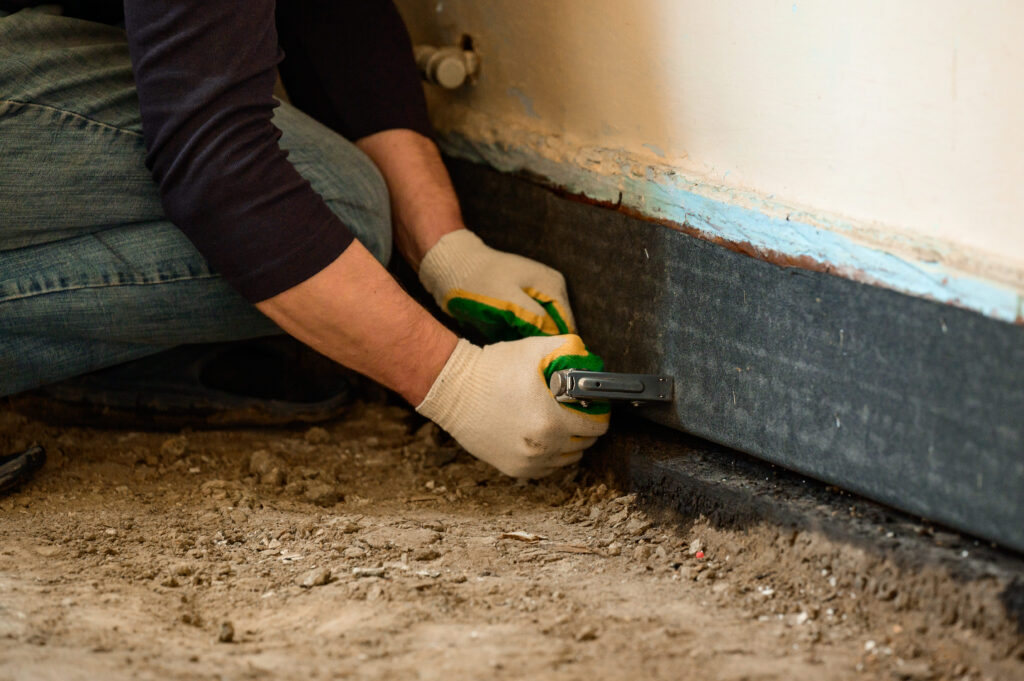
Foundation Crack Repair NJ
Look for:
- Cracks above doors.
- Cracks near windows.
- Long cracks in basement walls.
- Gaps between walls and ceilings.
- Stair-step cracks in brick walls.
These cracks may mean the foundation is shifting. Wet soil can push against the house and create pressure over time. Dry soil can also cause problems because the ground may shrink and pull away from the foundation.
Horizontal cracks in basement walls are especially important to watch. They often mean there is strong pressure against the wall from outside soil and water.
Doors and Windows That Stick
Doors and windows should open easily. If they suddenly stop working right then, the foundation may be moving.
You may notice:
- Doors rubbing the floor.
- Windows that are hard to open.
- Locks that no longer line up.
- Small gaps around window frames.
Many people blame the humidity first. If several doors and windows have the same problem, then the foundation may be the real cause. When a foundation shifts, it changes the shape of door and window frames. Even a small movement under the house can affect how doors close.
Uneven Floors
Floors should feel flat when you walk across them. A sloped or bouncy floor may mean something under the home has moved. A simple marble test is all you need. Place a marble on the floor and see if it rolls by itself. If it moves across the room, the floor may no longer be level.
Uneven floors can happen when the ground shifts under the home. Water damage can also weaken support beams and floor supports.
Some homeowners notice the problem when furniture starts leaning slightly to one side. Others feel a soft or bouncy spot while walking through the house. Older homes sometimes develop uneven floors naturally over time. Fast changes in the floor usually point to a larger problem underneath the home.
Water In The Basement
Water and foundation problems often go together. Too much water around the house can push against the foundation walls and cause damage over time.
Watch for:
- Damp basement walls
- Musty smells
- Mold growth
- Water stains
- Peeling paint
A family noticed a bad smell in their basement and blamed old boxes. The real problem was water leaking through tiny cracks in the wall.
A dry basement helps keep the foundation strong. Too much moisture can damage the walls and cause bigger problems over time.
Heavy rain can make basement problems worse. Water collects around the home and pushes against the foundation walls. Over time, this pressure may lead to cracks and leaks.
White chalky marks on the basement walls are another warning sign. These marks appear when water moves through concrete and leaves minerals behind.
Cracks Outside The House
Foundation damage can also appear outside the home.
Look for:
- Cracked bricks
- Leaning chimneys
- Gaps around garage doors
- Separated siding
- Cracks near outdoor steps
These signs often mean the home is settling unevenly.
Taking photos every few months can help you track changes over time. Small cracks may slowly grow larger without homeowners noticing right away.
Brick cracks shaped like steps are a very common sign of foundation movement. These cracks often appear near windows and corners of the house.
A leaning chimney can also point to serious settling problems. Chimneys are heavy structures and they often shift when the foundation becomes unstable.
How Soil Affects Your Foundation.
The soil under your home is very important. There are different kinds. Some soil expands after heavy rain and shrinks during dry weather. This makes the foundation fight for its life.
Large tree roots can also dry out the soil near the house, which causes parts of the foundation to sink. This is why two homes on the same street can have different foundation problems.
Homes built on clay soil often face more movement because clay expands and shrinks more than other soil types. Long dry seasons followed by heavy rain mean danger.
Poor drainage is also one of the bigger problems. Gutters that dump water near the house can soak the soil and increase pressure around the foundation.
When To Call A Foundation Professional?
It is smart to get help before the damage becomes serious.
Call a professional if.
- Cracks keep growing
- Floors feel uneven
- Water leaks into the basement
- Doors and windows stop working properly
- Several warning signs appear together
A professional inspection can find the real cause of the problem.
Many homeowners wait too long because the signs seem small at first. Early repairs are usually simpler and less expensive than major structural repairs later. A trained expert can check the foundation and recommend the right solution before the damage spreads further.
How Waterproofing Helps?
Waterproofing helps keep water away from the foundation. Less water means less pressure on the walls. You need to keep the water under control, as it is one of the best ways to protect your home. Good drainage around the house also reduces pressure on your dear foundation. Clean gutters and proper grading mean water moves away from the home.
Many people focus only on cracks, but controlling moisture is just as important for protection.
Conclusion
Foundation problems usually start small. Cracks and uneven floors are common warning signs. Basement moisture and sticking doors can also point to trouble.
Ignoring these signs can lead to larger repairs and higher costs later. Paying attention to small changes helps keep your home safe and stable.
A strong foundation supports the entire house. Taking action early can help prevent serious damage and protect your investment for years to come.
Contact Drymaster Basement Waterproofing
Drymaster Basement Waterproofing helps homeowners protect their basements and foundations. Our team provides waterproofing services and repair solutions that help stop damage early. If you notice cracks or leaks, now is a good time to schedule an inspection.


