
So you just got your basement waterproofed. Great move. But here is something a lot of people do not know. The waterproofing job itself is just the beginning. Keeping your basement dry also needs a bit of care from you. It is like getting a new car. The dealer gives you the keys, but you still check the oil and tires to keep it running well.
Learn What Was Installed in Your Basement
Before you do anything else, find out exactly what system was put in. Did they install a sump pump? An interior drain? A waterproof membrane on the outside walls? Each one works differently and needs different care.
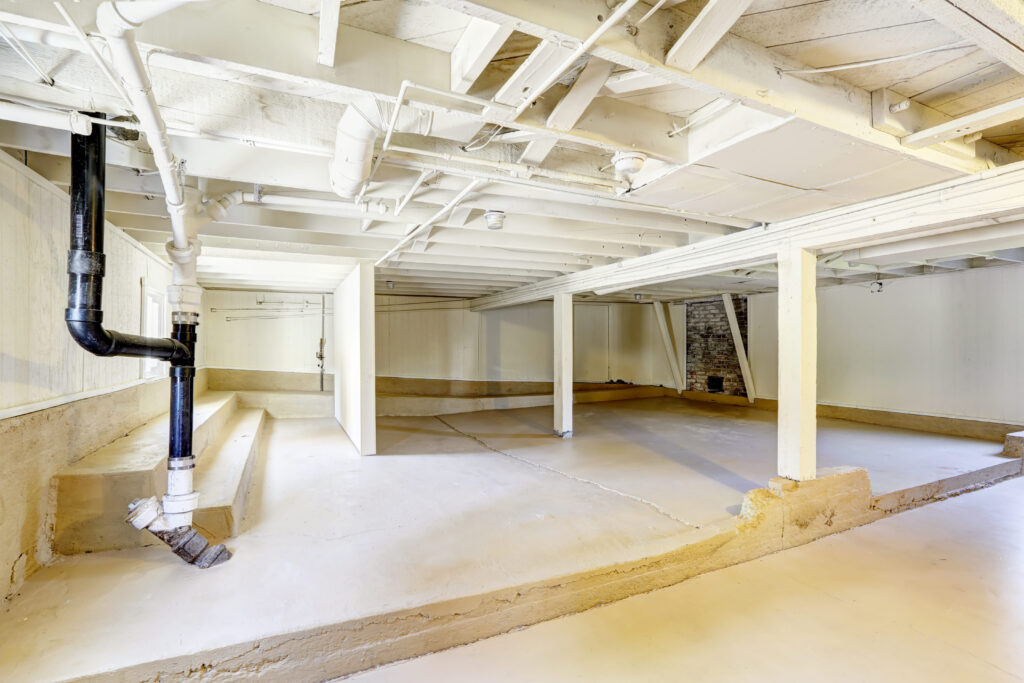
How To Keep Your Basement Dry?
One of the most common mistakes after waterproofing is ignoring the sump pump. It runs quietly, so people often forget about it. It does not get damaged in a day but over time, wear and small faults can build up without warning. When a failure finally shows, water damage may already be serious. A quick check every few months takes very little time and helps keep the system reliable.
Clean Your Gutters and Move Water Away From Your House
This step sounds too easy to matter. Though it is greatly important. Water spills over the sides when gutters get clogged with leaves and dirt. This is so not good. That water runs straight down your foundation walls and soaks into the ground right next to your house.
Clean your gutters two times a year. Do it in the spring and again in the fall. Ensure that your downspouts push water at least six feet away from your home. Water is still too close if they only go two feet out.
You can buy a downspout extension at any hardware store for about ten dollars. That is one of the best cheap things you can do to protect your waterproofed basement.
Fix the Slope of the Ground Around Your House
The slope should be far away from the foundation. That means it should go downhill as it moves away from your house. This keeps rainwater from pooling up against your walls.
Soil settles over time and that slope can flatten out. Water starts moving toward your house instead of away from it when that happens.
Walk around your home every spring and look at how the ground sits. Add some dirt to build the slope back up if it looks flat or tilts toward the house. This is easy to do yourself on a weekend afternoon and costs almost nothing.
Control the Humidity Inside Your Basement
Many people do not know this. Even after waterproofing, a basement can still feel wet. This happens because warm, wet air comes inside and goes downstairs. When it hits cold walls, it turns into water. You can use a small tool called a hygrometer to check the air. It shows how wet the air is. A good level is 30% to 50%. If it goes higher, use a dehumidifier to dry it.
Waterproofing stops water from coming through walls and floors. But it does not stop wet air from coming in through doors and vents.
Test Your Sump Pump Every Few Months
A sump pump does a lot of heavy lifting for you because it collects water and pumps it out of your home before it can cause damage. Sump pumps can and do fail but testing yours is simple. Slowly pour a bucket of water into the pit and the pump should turn on quickly to drain the water in just a few seconds. You have a problem if nothing happens.
Walk Through Your Basement and Look for Cracks
Protecting Your Dry Basement Means Staying on Top of Small Problems
New cracks can show up even after professional foundation waterproofing is done. The ground shifts. Temperatures change and cause walls to expand and contract. A tiny crack today can let water in next rainy season.
Make a routine where you walk through your basement every month or two with a flashlight. Your job is to inspect the walls near the floor and around the windows. You should call a professional if a crack seems to be growing because early repairs are much more affordable than major structural fixes.
Store Things the Smart Way
After waterproofing, most people rush to fill their basements with boxes and old furniture. Be careful how you do this. Cardboard boxes sitting right on the floor trap moisture underneath them. That hidden moisture can grow mold even if no water is coming in. Here are some simple tips.
- You have to use plastic bins with tight lids instead of cardboard.
- You must put things on shelves to keep them off the floor.
- You need to leave a little space between your stuff and the walls so air can move around freely.
Conclusion
Keeping your basement dry after waterproofing does not have to be hard. Clean your gutters. Fix the slope of your yard. Check your sump pump. Watch the humidity. Look for cracks. Store things the right way. These are small habits that protect a big investment. Your waterproofing system did the hard work already. Your job is just to keep up with the little things so that hard work is not wasted.
Let Drymaster Basement Waterproofing help you.
Not sure if your basement is fully protected? Our team at Drymaster Basement Waterproofing is ready to help. Whether you need a full inspection or a new sump pump or even a complete waterproofing solution, we have you covered. Do not wait until the next big rainstorm shows you a problem. Reach out to Drymaster Basement Waterproofing today and get a dry and safe basement you can count on all year long.
FAQs
What is a safe humidity level for a waterproofed basement?
A good humidity level for a waterproofed basement is between 30% and 50%. If it goes higher than 60%, mold will start to grow even when there is no water on the floor.
Can cracks still show up after waterproofing is done?
Yes, cracks can still appear after waterproofing due to changes in soil and weather that can cause new cracks over time. Check your basement walls often. If you see a crack getting bigger or changing, contact a professional right away.


