
You notice it on a Tuesday morning. A thin line running along your basement wall, maybe six inches long, maybe longer. You tell yourself it’s probably nothing. But the house is old, bro.
Three months later, that crack is wider, and there is a faint smell of damp. And now there’s a second one. That’s how it starts for most New Jersey homeowners. Foundation cracks rarely announce themselves. They grow quietly, behind finished walls and under floors, until the foundation crack needs immediate fixing and the bill grows loud enough to get your attention.
This guide breaks down what you actually need to know. Learn about which crack repairs in NJ are urgent, which can wait, and what happens when you ignore them too long.
Not All Cracks Are Created Equal
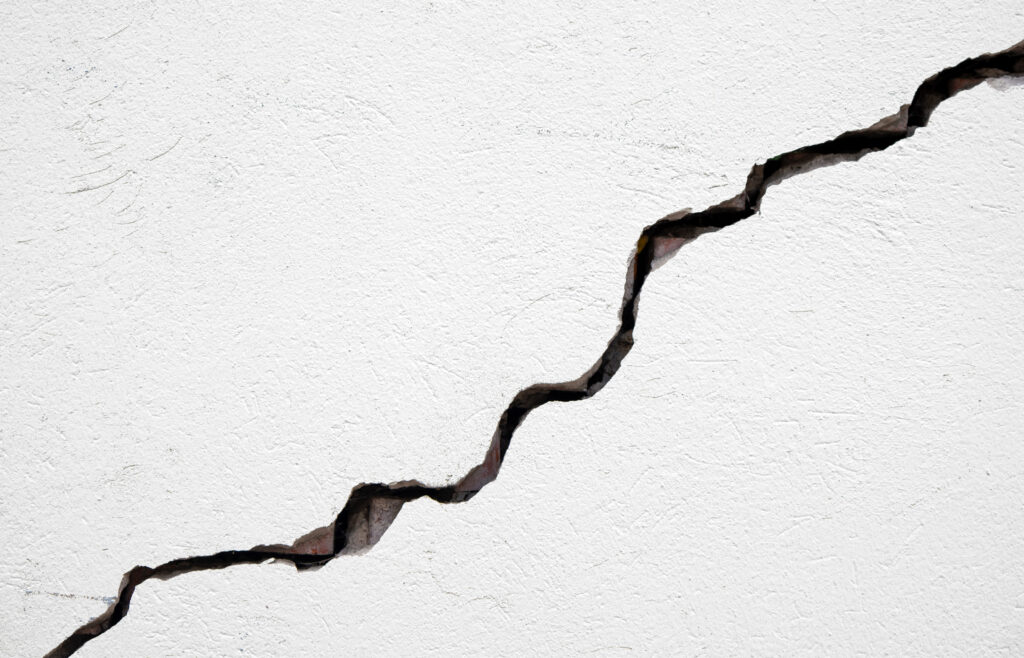
Crack Repair Fixes In NJ
Here’s the thing most people don’t realize. A crack in your foundation wall is not automatically a disaster. Some cracks are cosmetic and some are serious. The problem is, they can look almost identical to an untrained eye.
The types of cracks are explained as follows.
- Vertical cracks are the most common. They usually appear in the first few years after a house is built, when the concrete dries, shrinks slightly, and settles into the soil. These are non-structural in many cases. But they still let water in, and water in a basement is never a good situation.
- Horizontal cracks form when soil pressure or groundwater pushes against the outside of your foundation wall. The wall starts bowing inward. If you see a horizontal crack, call a professional in the same week, not the same month. These cracks could mean structural stress that gets worse fast.
- Stair-step cracks run diagonally along mortar joints in block or brick foundations. They point to uneven soil settling. One section of your foundation is sinking at a different rate than another. That imbalance puts stress on everything above it including your floors, door frames and even the roofline.
- Diagonal cracks often appear near corners or window openings. They usually mean one area of the foundation is dropping while another stays put.
What Causes Foundation Walls to Crack in New Jersey?
New Jersey soil is notoriously difficult for foundations. Much of the state sits on clay-heavy ground that swells when wet and shrinks when dry. Every season puts the foundation through a push-and-pull cycle. Winter frost heaves the soil upward. Spring rain saturates it. Summer heat dries it out and causes it to pull away from the foundation. Then winter starts again.
Water pressure in the soil is another common cause of foundation problems. When groundwater builds up around the house, it pushes against the foundation walls. New Jersey has a high water table, especially near the coast and in low areas, so this pressure happens more often than in many other states.
Tree roots also grow toward moisture in the soil and can push against foundation walls. Concrete becomes weaker as it gets older and slowly loses strength over the years. Poor drainage systems send rainwater directly toward the house instead of away from it. Because of these problems, foundation repair is a common issue in many New Jersey neighborhoods.
Warning Signs That Mean Act Now
Some homeowners wait for a visible crack before calling anyone. But foundation problems give off other signals before the walls start splitting open.
Watch for doors and windows that stick or stop closing properly. Especially if this happens suddenly or gets worse over a short period. Watch for gaps opening between the wall and the ceiling, or between the floor and the baseboards. Uneven floors that develop a noticeable tilt are a serious signal you must never take lightly. Water seeping through the base of the basement wall, or white mineral deposits forming on the concrete, are signs of bad luck.
If you notice more than one of these signs together, time is up. Run and do not wait for a crack to appear. Get an inspection scheduled.
Conclusion
Foundation cracks are not a problem that ages well. A thin line in a basement wall today is almost always a wider, costlier, more complicated problem two or three years from now. The type of crack, the direction it runs, the speed at which it grows, and what comes through it are all literally telling you something about the condition of the structure that your whole home stands on.
The right move is to get eyes on it early and understand what you are dealing with first. I need not say, get it repaired before the damage compounds.
FAQs
How much does foundation crack repair cost in New Jersey?
Foundation crack repair costs in New Jersey vary significantly based on crack type, size, and repair method. Non-structural crack injection typically runs between $400 and $1,000 per crack. Carbon fiber strap installation ranges from $4,000 to $10,000 depending on the number of straps and wall length. Severe structural repairs with steel beams or pier installation can reach $15,000 or more. Call DryMaster to get an accurate estimate according to your needs.
How long does foundation crack repair last?
Good quality foundation crack repairs using carbon fiber or professional injection methods are designed to be permanent. Many repairs come with 25-year or lifetime transferable warranties. The key is also addressing the underlying cause, because no repair lasts if the source of pressure or water is still active.
Will a repaired foundation crack affect my home’s resale value?
No, a properly repaired crack documented with a warranty from a licensed contractor generally does not hurt resale value. An unrepaired crack discovered during a home inspection affects the price that causes buyers to withdraw or demand significant price reductions.
Is it normal for new construction homes to have foundation cracks?
No, it is not normal for new construction homes to have foundation cracks, but minor vertical shrinkage cracks in the first few years are common in poured concrete foundations. They should still be evaluated and sealed to prevent water entry. Any horizontal crack or crack wider than a quarter inch in new construction needs immediate professional review.
If you are unsure, it is advised to call a professional like Dry Master to get an expert evaluation and save yourself from any harm in the future.


