
There’s a good chance that you’re doing some research on how to waterproof your home in New Jersey. Water intrusion can come from multiple sources and present itself in multiple ways.
This guide addresses some common questions people have about basement waterproofing in NJ: what basement waterproofing is, what causes water intrusion to occur in your home, and the signs and symptoms of water intrusion that let you know when it’s time to waterproof your home.
What Causes Water Intrusion?
Common Water Sources
Water intrusion can come from multiple sources.
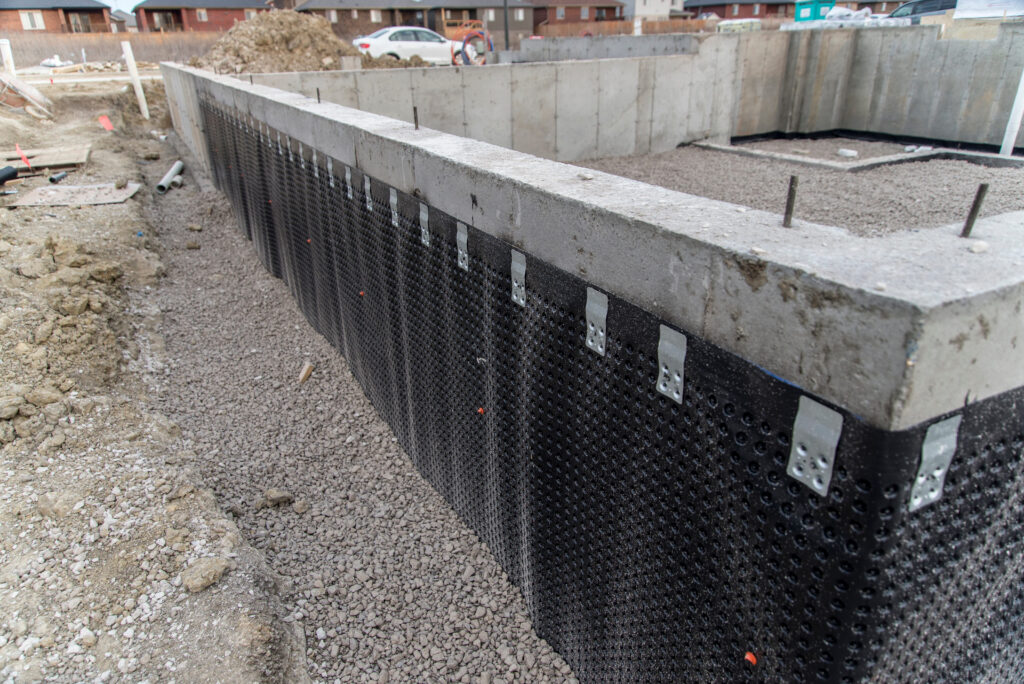
Basement Waterproofing in NJ
You can have water coming up next to a foundation wall that can lead to the inside of the home. You can have water that comes up from the ground and a high water table and come up through your slab in your home.
Any kind of perforations that are drilled in a foundation wall from a pipe exiting from the house, whether it’s a condensation line or a plumbing line, can be a source for water entering a house.
Grading Around the Foundation
Usually, most homes come with some type of grading or gradient that allows the soil topography to slope away so surface water doesn’t either accumulate next to the foundation or run off away from the foundation.
In some situations, the grade on the outside of the home doesn’t involve that, where it actually slopes towards the house, which is going to draw water even closer to your foundation, which is going to invite water to get into the home even quicker, and also, in some situations, cause structural damage.
What Does Basement Waterproofing Do?
The waterproofing system is a drainage system in a nutshell that manages or diverts that water from getting inside of your home, causing damage to your furniture and your flooring and things like that.
Exterior vs. Interior Basement Waterproofing
On the exterior, it’s an approach where you try to prevent the water from ever coming through the foundation to begin with. On an interior basement waterproofing project, it’s more of a water management system to where you direct the water once it gets inside the foundation from ever becoming a nuisance or a problem.
Why the Interior Approach Works
An interior basement waterproofing approach addresses all the different ways that water intrusion can come inside of the home, whether it’s through the wall or it’s coming up from a high water table underneath the slab and then coming out where the slab and the wall meet.
The interior drain system collects all that water, no matter which way it’s coming into the home, so it’s a good choice.
Signs It Is Time to Waterproof
Moisture, Mold, and Staining
You can see some discoloration and some mold growth, which is a clear indication of water. Mold can’t grow without some type of moisture source.
You can see staining on the concrete and, at some point in time, standing water inside the garage. That’s a good sign of moisture intrusion.
Other Indicators Around the Home
There may be some other indicators that may lead you to know when you need to get waterproofing done as well. You may have almost droplets coming down the foundation wall. They can be darker in color. They may bring some sediment with them, so they may be brown. You may see some discoloration on your drywall or framing. That’s a good indication of moisture coming through the wall and getting trapped in that lumber or building material.
You may have pooling water. You may have damp carpets and things like that. You may find that your furniture is starting to discolor. There may be moisture getting into those fabrics and those materials, which is a sign of at least humidity in your basement, and humidity is caused by moisture or water.
How an Interior Drain System Is Installed
Sections of the slab are removed and dug down so a drain system can be installed on the interior of the home. This drain system is going to collect the water and then it’s going to take it to a collection point, which is a sump basin. There’s a pump inside the sump basin.
It’s going to mechanically pump the water out of the home so it no longer causes a nuisance or any damage to your personal belongings. The last thing that’s left is just going to be putting concrete back on.
The Sump Pump and Its Controller
The pump itself has an enhanced controller that has audible alarms to let you know if there’s any kind of issue. It tests itself to make sure that it’s functioning, and it has a high water alarm that also lets you know if there’s any kind of issue with the water rising too fast for the pump.
These pumps are pretty good. They’re going to be able to keep up with just about any amount of water you can throw at them.
FAQs
What is basement waterproofing?
The waterproofing system is a drainage system in a nutshell that manages or diverts that water from getting inside of your home, causing damage to your furniture and your flooring.
Where does water enter a house?
Any kind of perforations that are drilled in a foundation wall from a pipe exiting from the house, whether it’s a condensation line or a plumbing line, can be a source for water entering a house.
Can mold grow without moisture?
Mold can’t grow without some type of moisture source.
What is the difference between exterior and interior basement waterproofing?
On the exterior, it’s an approach where you try to prevent the water from ever coming through the foundation to begin with. On an interior basement waterproofing project, it’s more of a water management system.
How does the sump pump remove water?
There’s a pump inside the sump basin. It’s going to mechanically pump the water out of the home so it no longer causes a nuisance or any damage to your personal belongings.
Conclusion
Ultimately, water intrusion can present itself in multiple ways. Make sure you keep your basement dry after basement waterproofing. If you’re having any of the symptoms inside your home, now is the time to look into basement waterproofing. Hopefully, this answered some of your basic questions about basement waterproofing.


