
You’ve walked past it a hundred times. The crack in the basement wall. Thin, a little jagged, maybe an inch longer than it was last spring. Easy to shrug off. Almost everybody does. But foundations don’t heal. That tiny line today? It’s a leaning wall just waiting to happen.
Foundation crack repair is the thing standing between the two. Catch it early, fix the actual cause, and you protect the one part of the house that everything else rests on.
Why Cracks Show Up and Which Ones Matter
Two questions, really. Why does a foundation crack at all? And which cracks should keep you up at night? Both shape the right foundation crack repair, so let’s take them in order.
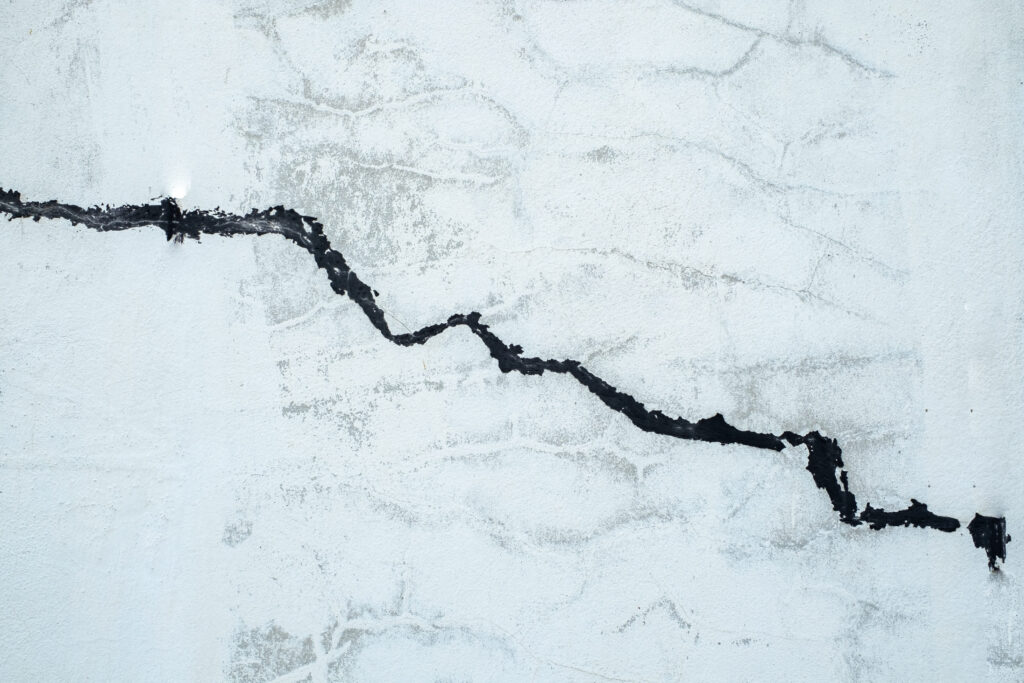
Foundation Crack Repair in NJ
Blame the Jersey Ground
It’s the dirt. Mostly. New Jersey sits on heavy clay, soil that swells when it’s soaked and shrinks when it dries, leaning on your walls all year long. Then winter lands. The ground freezes, expands, shoves. Spring melts it right back. Do that freeze-thaw dance a few dozen times, and concrete gives. Throw in groundwater pushing from outside and a house quietly settling, and a foundation crack isn’t bad luck. It’s physics. Patch the crack, skip the cause, and it’s back by next year.
Reading the Cracks
Here’s where folks get it wrong. Some cracks shrug off. Others are flares going up, and knowing which is which? That’s everything.
The Ones You Can Relax About
Mostly the thin stuff:
- Hairline vertical cracks, usually just the concrete curing as it ages, are minor, though still worth a glance now and then.
The Ones That Mean Trouble
These are completely different animals:
- Horizontal cracks are almost always pressure-related, so take them seriously.
- Stair-step cracks in block walls are a textbook sign of settlement.
- Widening or leaking cracks, movement that clearly hasn’t stopped yet.
- Bowing or bulging walls, flat-out structural trouble, don’t wait on these.
A hairline and a bowing wall aren’t the same conversation. Not even close. Spot a couple of the bad ones, and it’s time to call somebody who reads them for a living.
Fixing It Before It Costs You
A crack is a doorway. Water strolls right through, and once it’s in, the problems breed fast. Damp walls. Mold. That basement smell that never really leaves.
Ignore it, and the crack creeps wider. The wall keeps moving. A cheap injection turns into piers and excavation, and a seriously big bill. Catching them early is the entire point of foundation crack repair. And the water angle is no joke either, the EPA doesn’t mince words about moisture feeding mold indoors. The cheap fix is the early one. Always.
How the Pros Actually Do It
A real fix isn’t caulk from aisle seven. Good foundation crack repair starts with the why, what’s moving down there, and what’s driving it.
The methods that actually work:
- Polyurethane injection expands on contact to seal the crack tightly against water.
- Epoxy injection, gluing the split concrete back to its full structural strength.
- Carbon fiber straps pinning bowing walls in place, with zero excavation required.
- Underpinning, deep piers for when the whole foundation has truly settled.
Match the method to the actual problem, and it holds for good. For real movement, the work leans on foundation and footing repairs, shifting the load onto solid soil way down deep. Done right, foundation crack repair doesn’t just hide a crack. It stops the wall cold. Ready for some straight answers? Call DryMaster for a free structural evaluation.
Frequently Asked Questions
Which foundation cracks should I actually worry about?
Horizontal ones. Stair-steps running through block walls. Anything bowing inward or steadily getting wider. Those need eyes on them fast. Thin vertical hairlines? Usually just normal curing, and way less urgent than they look. Trouble is, you can’t always call it from across the room. A pro measures the movement, checks the width, and reads the whole pattern wall-to-wall, then tells you straight. Still unsure? Get it looked at before it grows into a much bigger, pricier problem down the line.
Can’t I seal it myself?
Fill it, sure. Actually fix it? A different story entirely. Store-bought sealant covers the crack and totally ignores whatever caused it, the soil pressure, the water, the settlement, all sitting behind the wall. So it splits again. Or leaks again. Usually mid-storm, naturally, when you least want it. Real repair goes after the underlying why, not just the surface-level line.
What makes foundations crack in the first place?
The ground, mostly. Jersey’s heavy clay swells and shrinks with every wet and dry spell, freeze-thaw heaves it all winter long, and groundwater leans hard on the walls without a single break. Older homes settle on their own, too. Pile it all together, year after year, and the concrete eventually cracks somewhere. That’s why a genuine fix studies the soil and the water, not just the crack sitting on the surface.
Does crack repair also stop the water?
It can, when it’s done correctly. Polyurethane injection seals the crack tightly against moisture, and proper drainage handles the water pressure constantly pushing against it. Just sealing the line, while ignoring the water source, rarely holds for long. Want the full picture of what your foundation actually needs, top to bottom? Contact us for a free structural evaluation with zero obligation.


