
A crack shows up on the basement wall. You stare at it. Caulk, or crisis? Honestly, it could go either way. Some cracks are nothing at all, just concrete settling into itself over time. Others are the foundation, quietly sounding an alarm. The whole trick is telling the two apart before that cheap fix window slams shut for good.
Knowing when to call a pro for crack repair is what separates a small bill from a truly brutal one. So let’s read the signs and figure out exactly when the phone needs to come out.
Reading the Warning Signs
Not every crack means real trouble. But the house drops hints, on the wall itself and well beyond it, and once you know the tells, they’re honestly hard to miss anymore.
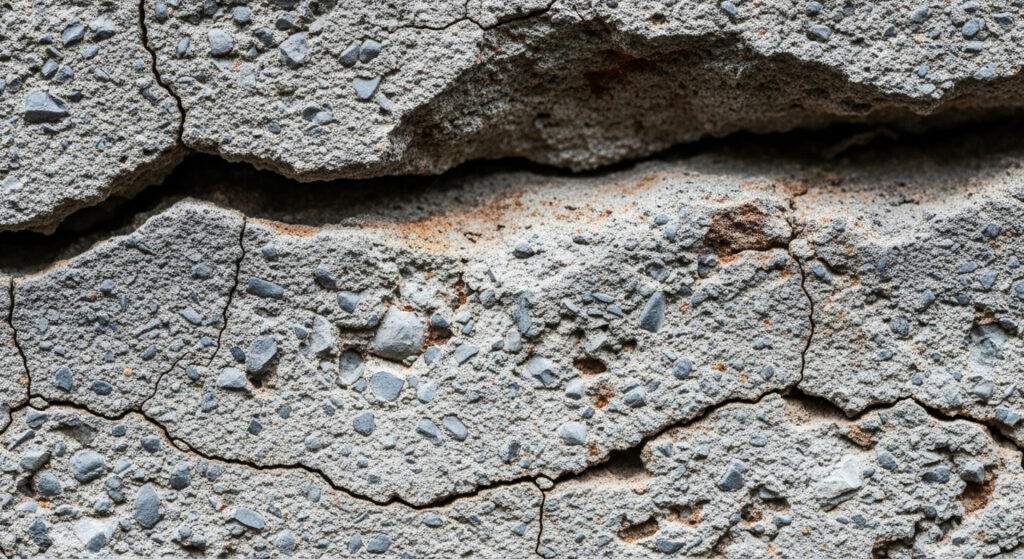
Call A Professional For A Crack Repair
The Cracks That Actually Matter
Here’s where crack repair gets real. A thin vertical hairline from simple curing? Usually harmless. These, though, mean call a pro, and soon:
- Horizontal cracks, almost always pressure-shoving hard against the wall.
- Stair-step cracks in block or brick, absolutely textbook settlement.
- Cracks that are steadily widening prove the movement hasn’t stopped.
- Cracks are leaking water, letting moisture creep into the basement.
- Bowing, bulging, or leaning walls are a flat-out structural alarm bell.
Match even one of them? That’s a job for professional crack repair, not a weekend tube of filler. These only ever get worse the longer they sit and wait.
The Clues Beyond the Crack
Foundation trouble rarely stays put in one spot. Sometimes the crack is just one line in a much longer story, the whole house is quietly telling you.
Doors and Floors
Watch closely how the house moves:
- Doors and windows that suddenly stick, jam, or no longer latch properly.
- Floors gone uneven, sloping, or just weirdly bouncy underfoot.
Gaps and Water
Then look lower and wider:
- Fresh gaps are cracking open where walls meet the ceilings or floors.
- Water pools in the basement after every single hard rain.
Spot a couple of these right next to a crack, and you’re very likely looking at a real, active foundation issue. The first signs are always worth heeding before they snowball into something big and costly.
Why a Pro Beats a Patch
A hairline from curing, sure, fill it and move on with your day. But hardware store sealant only masks the surface. It never once touches what cracked the wall in the first place. Active movement, water pushing in, any structural worry at all, and DIY is done. The real fix hinges entirely on the actual cause, and only a trained pro nails that diagnosis correctly. Solid crack repair chases the true source: polyurethane injection, epoxy, or carbon fiber straps for a bowing wall. Patch the symptom alone, and the crack marches right back in.
Call Early, Pay Less
Here’s the truth about foundation cracks. They don’t heal, and they rarely stay small for long. A minor line today can quietly become piers and excavation tomorrow. Move fast, and you also head off water turning into mold, which the EPA says spreads quickly indoors. The sooner a pro sizes up the crack repair, the cheaper and far simpler it becomes. A quick look now beats a huge, messy repair later, every single time. Not totally sure what you’ve got? That’s exactly what the expert is there for. Call DryMaster for a free structural evaluation and some straight answers.
Frequently Asked Questions
Are all foundation cracks serious?
Nope, not at all. Thin vertical hairlines are usually just concrete curing as it ages and are mostly harmless. Actual vertical cracks, like steps, in blocks or bricks, widening or dripping cracks, and bulging or bowing of the wall are true trouble signs. Don’t know which one you have? It’s worth a moment of the pro’s time to take a look before discounting it as “no big deal, move on.
Can I seal the crack myself?
Fill a minor cosmetic one, sure. However, that’s always the first thing on the surface, but not the soil pressure, the settlement, the freeze-thaw effects, the water just right behind it. If the crack leaks, is still active, and/or is visibly structural, the sealant will not work, and the crack will reappear in no time. A professional repair targets the root cause, which is exactly why it holds up for good rather than failing again.
What does a horizontal crack mean?
Pressure, usually. If it’s a horizontal crack, it is caused by soil or water in the surrounding area exerting extreme pressure on the wall, and it’s not purely cosmetic. The wall can bow or collapse outright if it’s left unattended for an extended period. Of all the cracks you can find, a horizontal one is the single loudest signal that it’s time to call a pro right now, before it grows.
How do I know if a crack is structural?
Look well beyond the crack. Doors that stick or bounce, fresh gaps at the walls, a floor that visibly slopes, a wall that visibly bends inwards. Cracks that show widening, leaks and actively growing cracks all indicate the same thing: active movement of the structure. When something holding up your house is involved, please don’t guess. A pro answers the question quickly, without guessing. Contact Us for a free structural evaluation.


