
French drain systems installed by DryMaster in New Jersey, Pennsylvania, and Delaware are engineered to control groundwater and reduce hydrostatic pressure up to 480 psf. In regions with clay-heavy soils and high seasonal rainfall, groundwater constantly rises around basement walls and footings. This system captures water early and redirects it away from the structure to prevent basement flooding, and wall bowing.
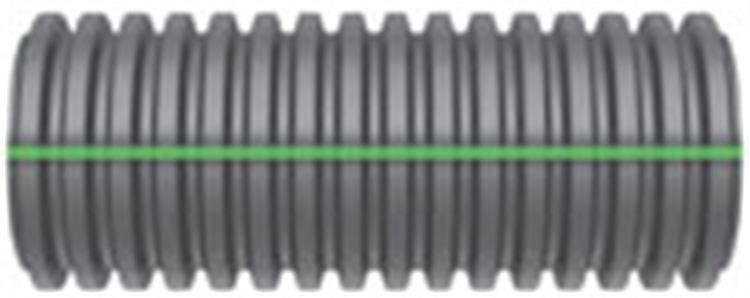
The french drain system is built around a gravel trench that is 12 inches wide and 12 to 18 inches deep, installed along the interior or exterior perimeter of the foundation. This trench is lined with 4-ounce non-woven geotextile fabric to block fast water movement. Groundwater enters this drainage zone at 10 to 15 gallons per minute per linear foot and is collected through a 4-inch perforated pipe (NDS Pro-Series HDPE or Schedule 40 PVC) with downward-facing perforations. The pipe is installed on a 1% slope so water flows by gravity into a sump system. A 24-inch sump pit with a 1/3 HP or 1/2 HP Zoeller M53 pump then removes water at up to 2,580 to 3,240 gallons per hour and discharges it safely away from the structure.
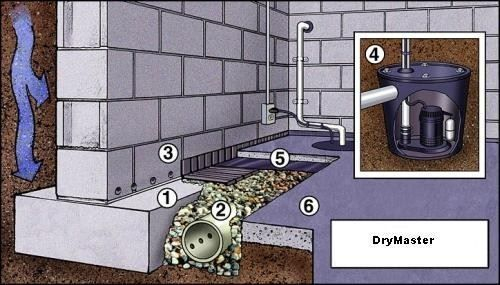
By controlling water at the cove joint where the wall meets the footing, the system lowers the groundwater level and prevents hydrostatic pressure against basement walls. This is especially important in New Jersey’s expansive Kaolinite clay soils, where excess moisture can cause up to 10% soil expansion and lead to foundation movement. DryMaster French drains installation keeps structural movement within a 1/4-inch tolerance.
Why are French Drains important for basement waterproofing?
French drains are important for basement waterproofing because they control water around the foundation and stop it from entering the basement. In areas like New Jersey, soil holds a lot of water, which creates strong pressure against basement walls. This hydrostatic pressure pushes water through cracks and weak points.
A French drain works by collecting groundwater before it reaches the basement floor or walls. It lowers the water level around the foundation and reduces pressure on the structure.
This helps prevent:

Water leaks in the basement

Wall damage and cracking

Moisture buildup and mold
Weakening of concrete blocks

Long-term structural problems
5 key reasons show why French drains are important for strong and dry basement protection.
Hydrostatic pressure reduction
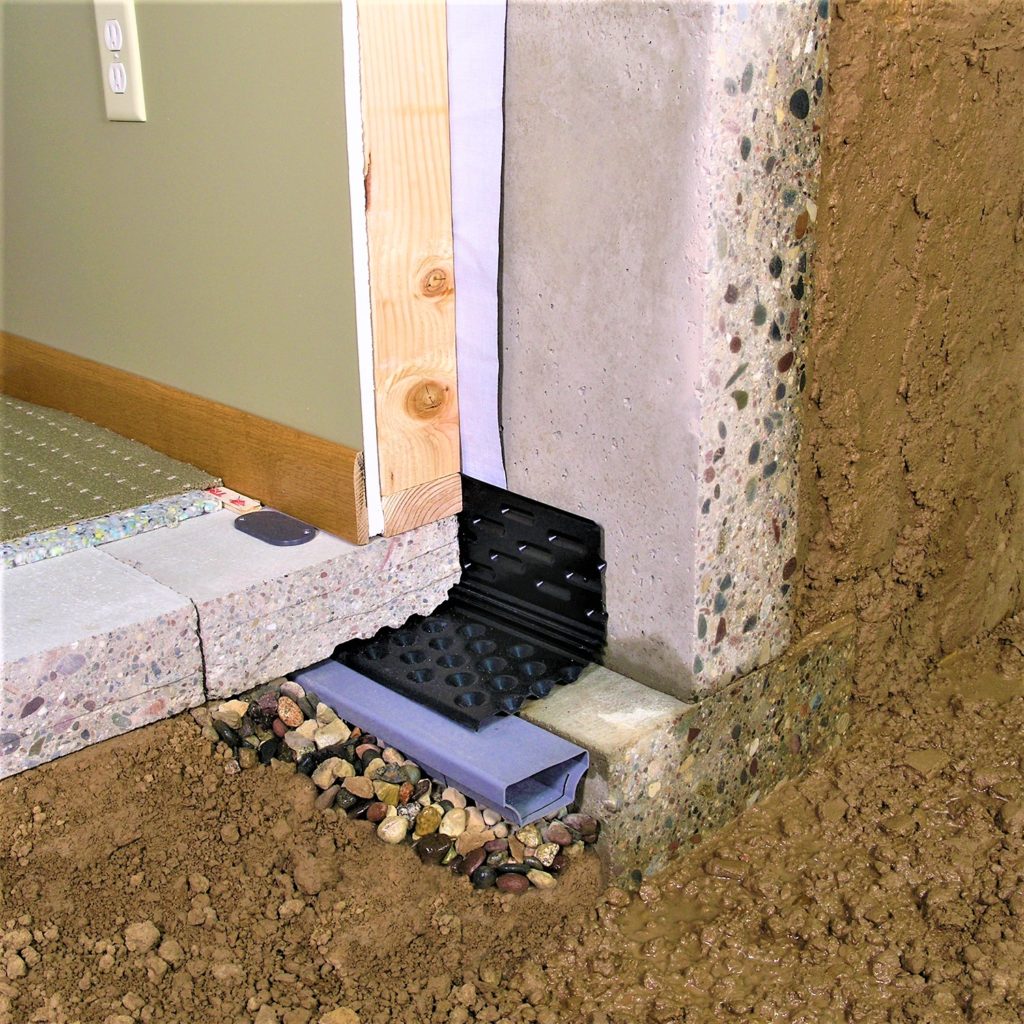
Hydrostatic pressure is the force water puts on basement walls. In wet soil, this force reaches about 480 PSF at the bottom of an 8-foot wall. It pushes water through cracks and weak spots in concrete blocks.
A French drain reduces this pressure by collecting water before it reaches the wall. It captures groundwater at the cove joint and lowers the water level around the foundation. This removes pressure on the wall and stops water entry and cracking.
Gravel trench collection system
The gravel trench system is made to quickly collect and move groundwater before it reaches the foundation wall. It uses a trench that is 12 inches wide and 12 to 18 inches deep. The trench is filled with Grade 57 washed stone (3/4-inch aggregate). This creates a 40% void ratio for fast water flow.
This setup allows groundwater to move at 10 to 15 gallons per minute per linear foot. The system is wrapped in a 4-ounce non-woven geotextile filter fabric. This fabric blocks particles larger than 0.15mm but still allows water to pass through.
This gravel trench collection system protects the basement by stopping soil from becoming saturated around the foundation. If the trench is missing, clogged, or too small, fine soil enters the system. This reduces flow and increases hydrostatic pressure on the foundation.
Perforated pipe drainage mechanism
The perforated pipe is the main transport part of a French drain system. DryMaster installs 4-inch NDS Pro-Series HDPE or Schedule 40 PVC pipes. These pipes have two rows of 1/2-inch perforations placed at the 4 o’clock and 8 o’clock positions.
This downward position uses capillary attraction to pull groundwater into the pipe before it reaches the slab level. Once water enters the pipe, it is collected and moved through the drainage system.
This high flow HDPE/PVC system protects the basement by removing groundwater from the gravel bed. This stops water buildup in the system. If the pipe is blocked, too small, or not placed correctly, water collects in the trench. This reduces flow and increases leakage risk.
Gravity-driven subsurface flow
Gravity-driven flow moves water through the French drain without any machine until it reaches the sump basin. DryMaster installs drainage lines with a minimum 1% slope (1/8 inch per foot). This keeps water moving in one direction toward the discharge point.
This slope creates a flow speed of about 2 feet per second. This scouring velocity stops fine sediment from settling inside the pipe over time.
This 1% minimum slope design protects basements by keeping water moving without stopping. If the slope is not correct, water stays in the system. This causes sediment buildup, slow flow, and higher hydrostatic pressure around the foundation.
High-volume discharge system
High-volume discharge is the last stage of the French drain system. It removes groundwater permanently from the basement system. Water is collected in a 24-inch sump basin. The system uses a 1/3 HP or 1/2 HP Zoeller M53 pump.
These pumps discharge between 2,580 and 3,240 gallons per hour. Water moves out through a 1.5-inch PVC discharge line with a check valve system. The water is released 10 to 20 feet away from the foundation.
This discharge system protects the basement by stopping water from returning near the structure. If discharge capacity is low, blocked, or placed too close, water goes back into the soil. This causes repeat hydrostatic pressure and moisture damage.
What Are the Main Types of French Drain and Basement Drainage Systems?
The main types of French drain and basement drainage systems include Fast Track Hybrid Waterproofing System, Water X-Tract Basement Waterproofing System, Drain Main Basement Protection System, and Subfloor Pressure Relief System, each designed to manage specific groundwater conditions, hydrostatic pressure levels, and foundation water intrusion patterns.
4 main types of basement drainage systems are listed below.
Fast Track Hybrid Waterproofing System
Fast Track Hybrid Waterproofing System is a dual drainage system for basements. It controls vertical (subfloor) and lateral (wall) hydrostatic pressure at the same time. It combines a 4-inch perforated HDPE pipe placed in Grade 57 stone for sub-slab drainage with a 20-mil antimicrobial wall vapor barrier for wall moisture control.
This system is designed to handle a combined hydrostatic load of up to 480 psf. It also collects wall seepage and capillary moisture affecting 15% or more of the basement floor surface. It is used in basements where wall efflorescence and floor dampness happen together. It works by controlling water under the floor and moisture coming through the walls in one system.
It controls both wall leakage and sub-slab water pressure at the same time. It is recommended for basements with heavy moisture, repeated flooding, and water coming from both walls and floor.
Water X-Tract Basement Waterproofing System
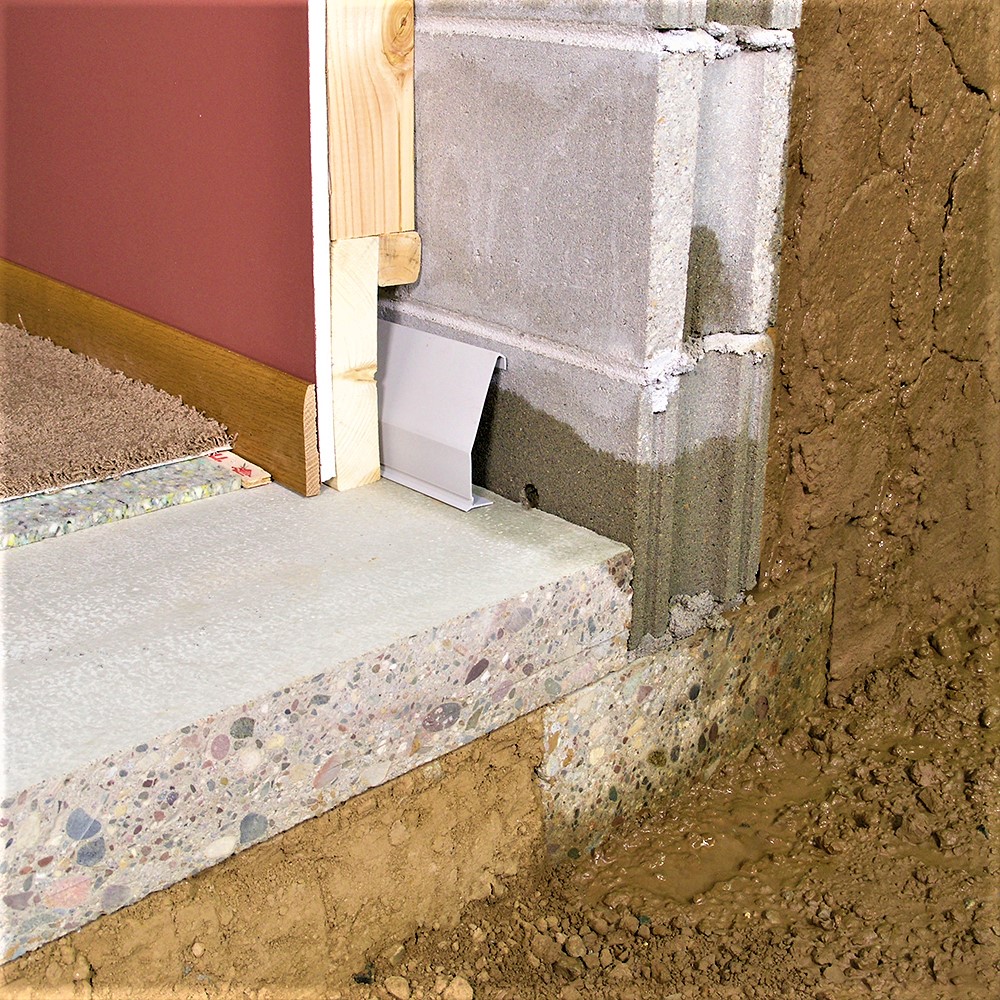
Water X-Tract Basement Waterproofing System is a perimeter drainage system. It controls groundwater at the cove joint, which is the 90-degree joint between the foundation wall and footing. This is where hydrostatic pressure is highest.
It uses a low-profile perimeter track or a 4-inch NDS pipe system installed at the base of the foundation wall. The system has a minimum 1% slope. This slope moves water toward a 3,240 GPH Zoeller M53 sump pump for strong discharge. This system keeps the water table about 2 to 4 inches below the top of the footing. This stops water from reaching basement floors and walls.
It is used to fix wall weeping, baseboard seepage, and pressure-driven leaks. It also keeps the main basement floor dry. It targets the exact point where water first enters. This makes it effective at stopping leaks at the foundation base. It is recommended for homes where water appears at wall bases but does not spread across the floor.
Drain Main Basement Protection System
Drain Main Basement Protection System is a high-capacity drainage system for large basements over 1,500 square feet. It connects multiple perimeter drains into one main 4-inch or 6-inch collection pipe. This system is designed to stop hydraulic backup. Backup happens when water flow goes above 15 gallons per minute in one line and overloads smaller systems.
It is built to handle rain events like 1-in-100-year storms with about 7 to 9 inches of rain in 24 hours. It moves water from all corners of the foundation to the sump basin without delay or standing water.
It is used for heavy groundwater problems, multiple leak points, and high water volume across large basement areas. Compared to standard perimeter systems, it controls all drainage in one main line. This prevents uneven water buildup in different basement zones.
It is recommended for large homes, commercial basements, and properties with strong and widespread water intrusion.
Subfloor Pressure Relief System
Subfloor Pressure Relief System is a drainage system that controls water pressure under the basement floor. It works by cutting through the 4-inch concrete slab to reach the Grade 57 stone layer below.
DryMaster installs pressure relief ports and drainage lines every 10 to 15 feet across the floor. This system releases upward water pressure caused by groundwater that weighs about 62.4 lbs per cubic foot. It helps stop slab heaving, floor cracks wider than 1/8 inch, and moisture coming up from below the floor.
It is used in basements where floor humidity is above 80% and where floor sweating continues even after perimeter drainage. It is recommended for basements with wet floors, slab movement.
How DryMaster Installs French Drains?
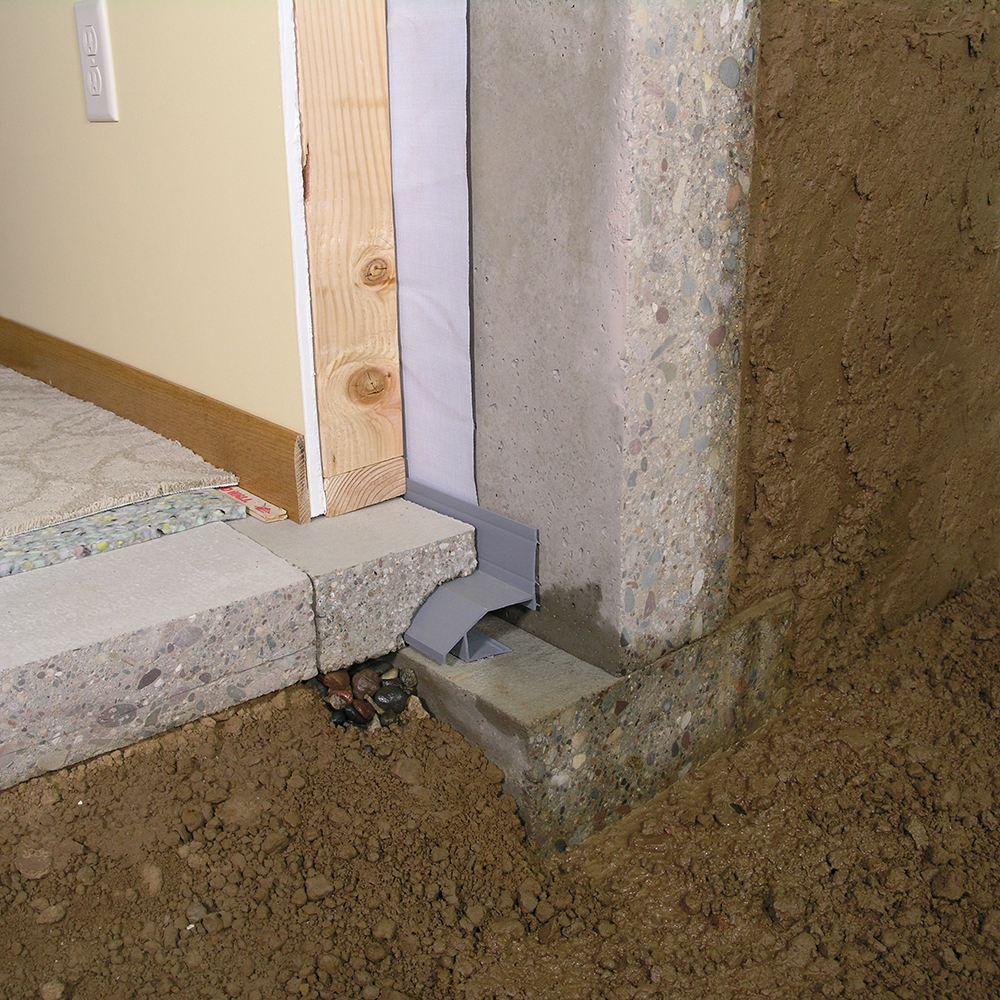
DryMaster installs French drain systems using a step-by-step engineering process. First, a site inspection and water flow analysis are done. After that, trenches are carefully excavated in the required areas. Perforated pipes are installed with a controlled 1% slope for smooth water flow toward the discharge point. Finally, the area is backfilled and the surface is restored.
6 main installation steps DryMaster uses are listed below.
Site inspection and water flow analysis
Site inspection and water flow analysis is the first step in DryMaster’s French drain installation process. Technicians use laser levels and digital manometers to measure elevation changes across the basement floor. They find high-pressure groundwater zones where hydrostatic pressure is above 400 psf. These areas are seen through efflorescence that rises up to 18 inches on foundation walls.
This step is needed to decide the correct trench depth, slope design, and drainage capacity for the system. If this analysis is not done properly, the system misses water entry points like the cove joint or sub-slab pressure zones.
It also helps map groundwater flow paths and calculate system capacity needs of up to 15 gallons per minute per linear foot during heavy rainfall.
Precision trench excavation
Precision trench excavation means cutting a controlled trench along the designed drainage path. The trench is made with an exact size of 12 inches wide and 12 to 18 inches deep. The depth depends on footing height and soil conditions.
This step is needed to place the drainage system at the correct level so it catches groundwater at the cove joint. It protects the soil’s 1,500 psf load-bearing capacity under the footing. It helps by opening saturated soil areas where hydrostatic pressure builds around foundation walls.
If the trench is uneven, too shallow, or not in the right place, it misses water paths or weakens soil support. This reduces drainage performance or causes settlement issues.
Proper trench layout follows natural groundwater flow and improves long-term water control and structural safety.
Filtration and Grade 57 stone base
Filtration and Grade 57 stone base installation starts by lining the trench with a 4-ounce non-woven geotextile filter fabric. This fabric blocks particles larger than 0.15mm while still allowing water to pass through.
Then a 2 to 4-inch layer of Grade 57 washed stone (3/4-inch diameter) is added. This creates a 40% void ratio and forms a high-permeability drainage zone. This step is needed because it lets groundwater move at about 2 feet per second while stopping soil from entering the system.
If this layer is missing or installed poorly, soil clog the system. This reduces water flow and increases hydrostatic pressure on the foundation. This layer helps the system last long by keeping water flow open for many years.
Perforated pipe placement
Perforated pipe placement means installing 4-inch NDS Pro-Series HDPE or Schedule 40 PVC pipes inside the gravel bed with correct alignment and slope.
The pipe has two rows of 1/2-inch perforations placed at the 4 o’clock and 8 o’clock positions. These holes collect groundwater before it reaches the slab. The system is installed with a minimum 1% slope (1/8-inch drop per linear foot). This slope helps water flow by gravity toward the sump basin and prevents sediment buildup. This step is needed to move collected groundwater out of the system in a steady and efficient way.
If the pipe is not aligned or the slope is wrong, water can stop, flow backward, or fail to reach the discharge point. This reduces system performance.
Correct placement of pipe allows continuous water removal and prevents long-term hydrostatic pressure around the foundation.
Aggregate encapsulation
Aggregate encapsulation means covering the perforated pipe with an extra 8 to 12 inches of Grade 57 stone. This fully surrounds the pipe inside a strong drainage layer.
This step is needed to create a storage zone that holds sudden water flow of up to 10 gallons per minute during heavy rain.
It helps the system by keeping open space around the pipe so water moves freely even when groundwater pressure is high.
If this layer is thin or uneven, the system gets overloaded, and causes local flooding and lower drainage performance.
Proper encapsulation keeps the system stable and stops soil from entering or blocking water flow.
Backfilling and surface restoration
Backfilling and surface restoration is the last step of French drain installation. It means filling the excavated area back and making the surface stable again.
For interior systems, trenches are covered with 4 inches of 3,000 psi fiber-reinforced concrete. The surface is finished within a 1/16-inch tolerance to match the existing floor. For exterior systems, soil is filled back in 6-inch layers and compacted to 95% Proctor density. A 5% slope is maintained away from the foundation for proper drainage.
This backfilling step is needed to keep the system stable and prevent sinking or movement.
If backfilling is not done properly, the water may collect near the foundation. Proper restoration keeps the system strong, level, and working for a long time.
Why Choose DryMaster for French Drain Installation?
DryMaster is chosen for French drain installation in NJ, PA, and DE because it uses engineering data and local soil conditions. Every system is built for hydrostatic pressure up to 480 psf and heavy storm water conditions.
It follows local building codes and uses proven drainage designs for long-term basement protection.
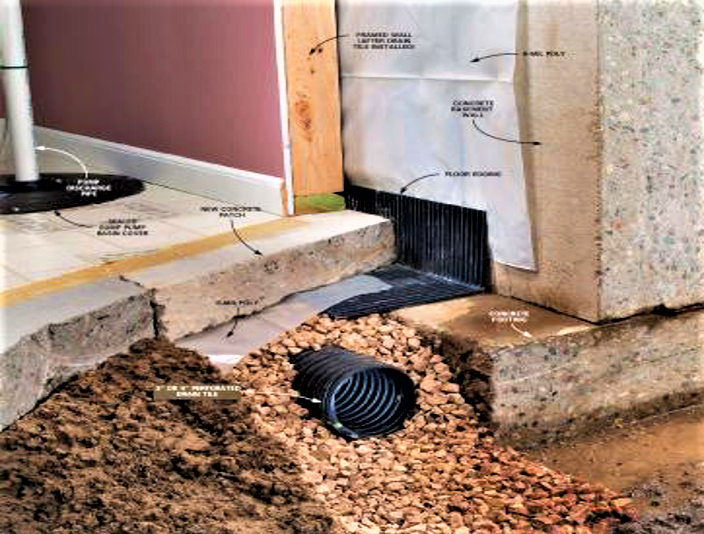
3 main reasons to choose DryMaster for French drain installation are listed below.
30+ Years of Regional Waterproofing Expertise
DryMaster has 30+ years of experience in basement waterproofing in the Tri-State area. This includes handling freeze-thaw cycles up to 120 days and rainfall over 3 inches per hour.
This experience helps design systems that handle real pressure conditions up to 480 psf and prevent drainage failure.
Customized Engineering for NJ Soil Mechanics
DryMaster designs systems based on NJ, PA, and DE soil conditions like Illite and Kaolinite clay. These soils can expand up to 9.05% when frozen and create strong pressure on foundations.
Systems are designed with 12 to 18-inch trench depth and 4-ounce geotextile fabric (0.15mm–0.18mm AOS) to stop clogging and improve flow.
1,500+ Documented Drainage Successes
DryMaster has completed over 1,500 drainage installations. These systems manage high groundwater flow using 4-inch HDPE or PVC pipes and Zoeller M53 pumps.
This shows proven performance in real basement conditions with low failure rates and reliable long-term results.
Lifetime Transferable System Guarantee
DryMaster provides a lifetime transferable guarantee for its drainage systems. It covers the trench, Grade 57 stone layer, and pipe system. This gives long-term protection, lower maintenance risk, and added property value for homeowners.