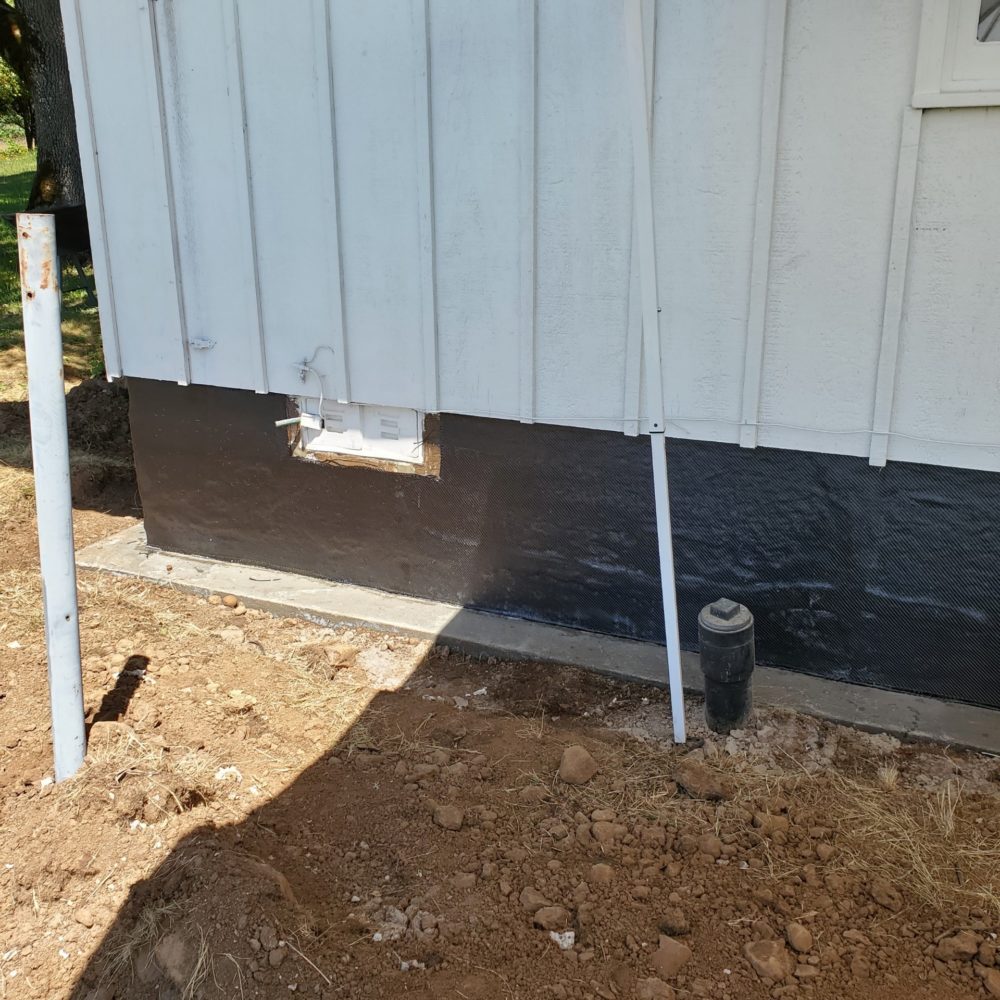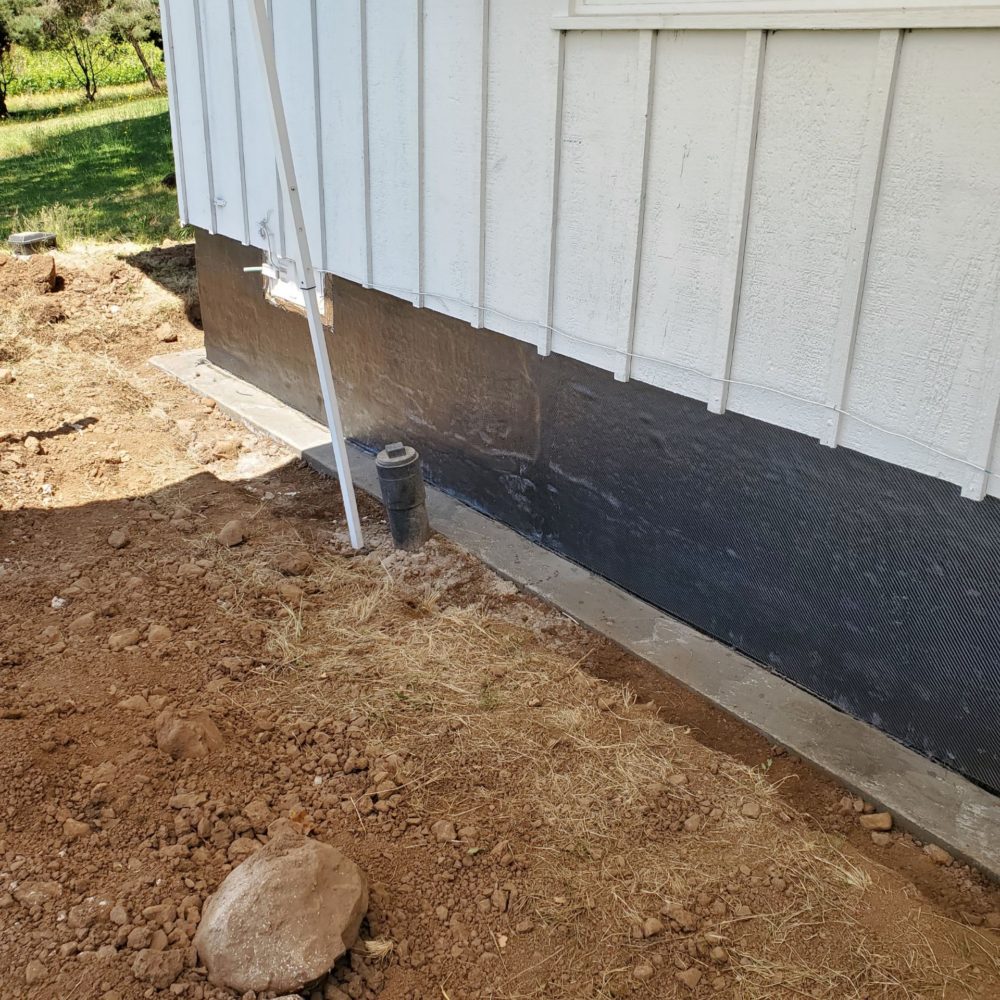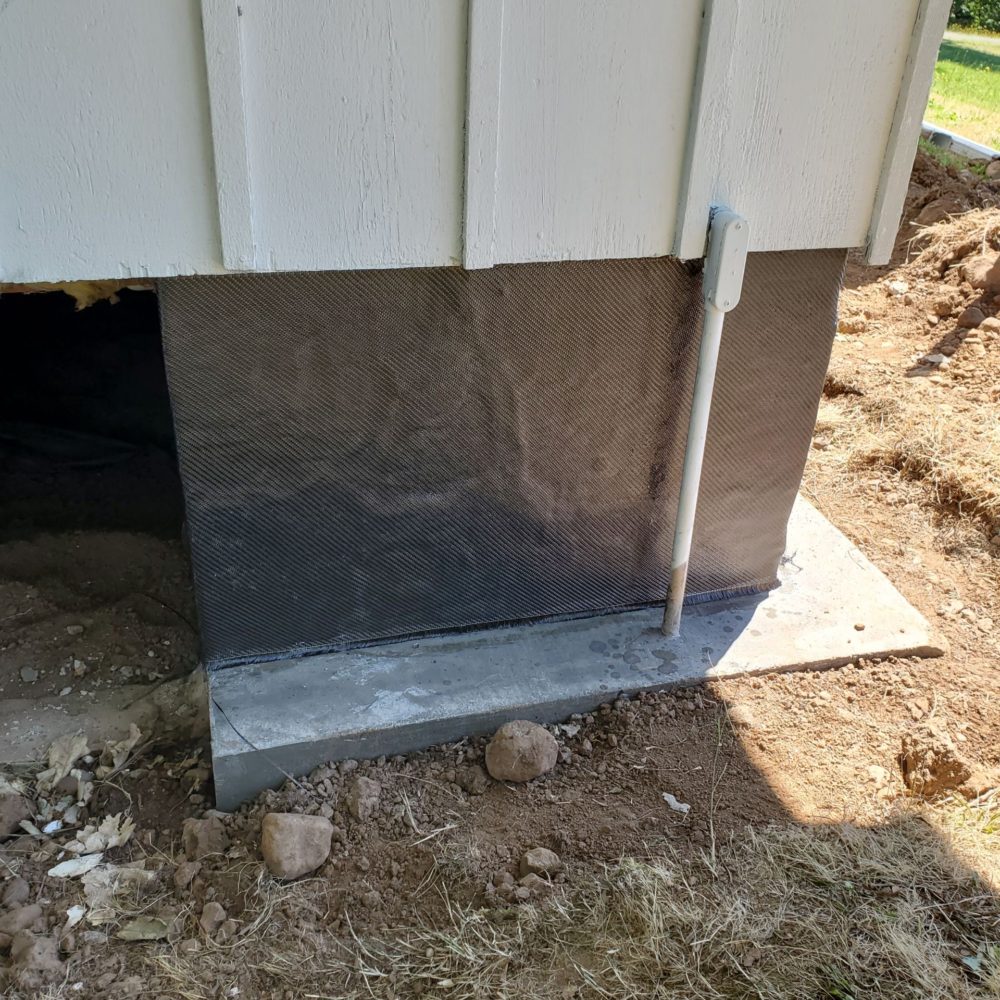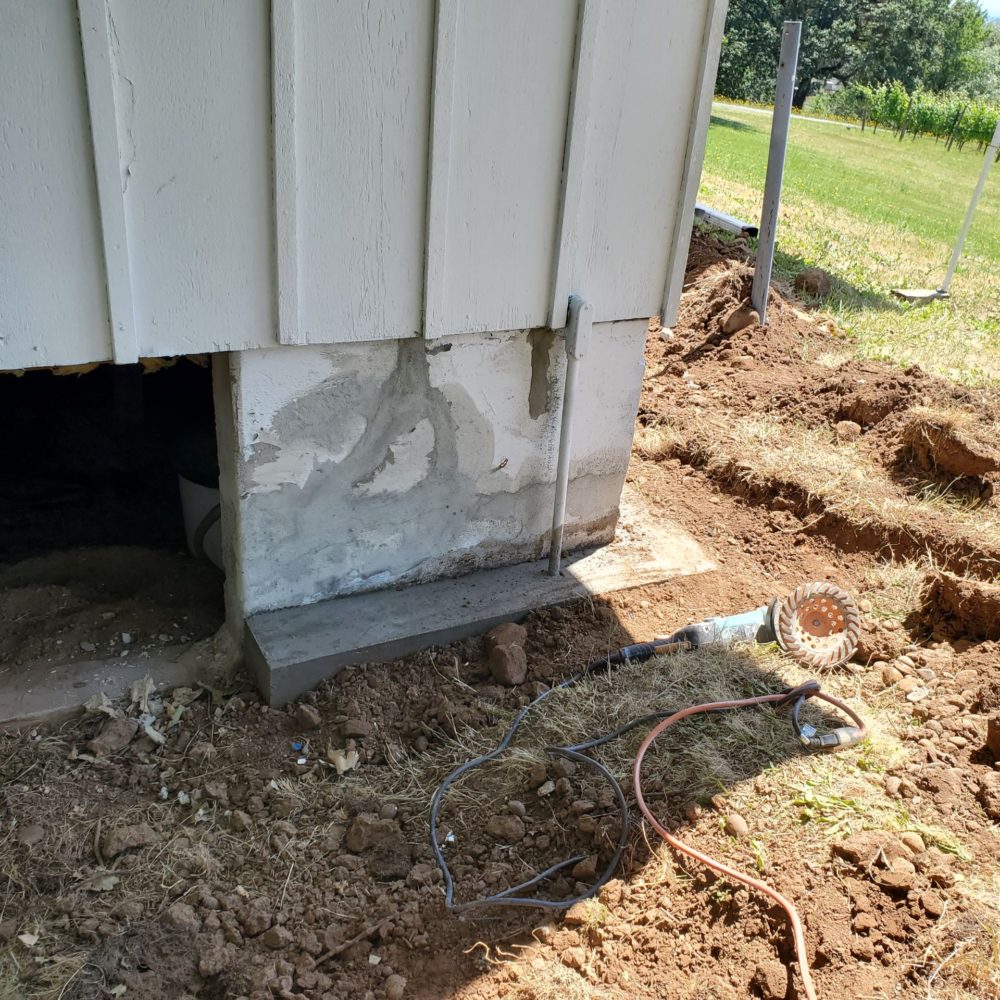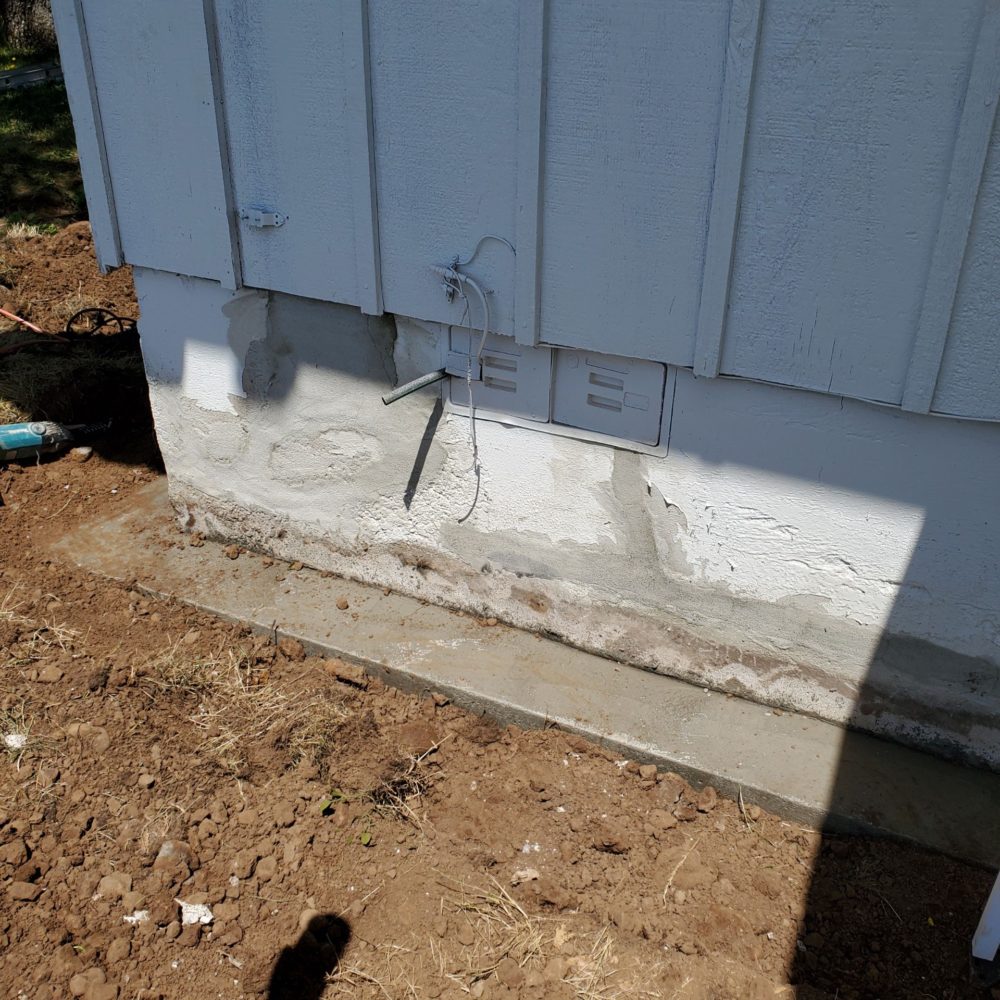
Crack Repair Services is the process of sealing, strengthening, and stabilizing foundation cracks to stop water intrusion and prevent structural damage. It involves repairing cracks in basement walls, floors, and foundation footings using engineered methods like epoxy injection, polyurethane injection, and Carbon Fiber Reinforced Polymer (CFRP) systems.
In New Jersey and the Mid-Atlantic region, crack repair has become a critical part of foundation protection because expansive clay soils, freeze–thaw cycles, and high groundwater stresses concrete structures and create new or widening cracks over time.
DryMaster uses engineered crack remediation to restore monolithic concrete behavior through targeted injection and reinforcement systems. We use high-modulus structural epoxy injection with tensile strength exceeding 7,000 PSI for dormant structural cracks.
For active water-bearing cracks, we use hydrophilic polyurethane injection, which expands up to 20 times its volume when contact with water to form a impermeable seal. In cases of wall bowingDryMaster uses, CFRP using carbon fiber (up to 10x stronger than steel) to counteract soil pressure up to 60 PSF in New Jersey.
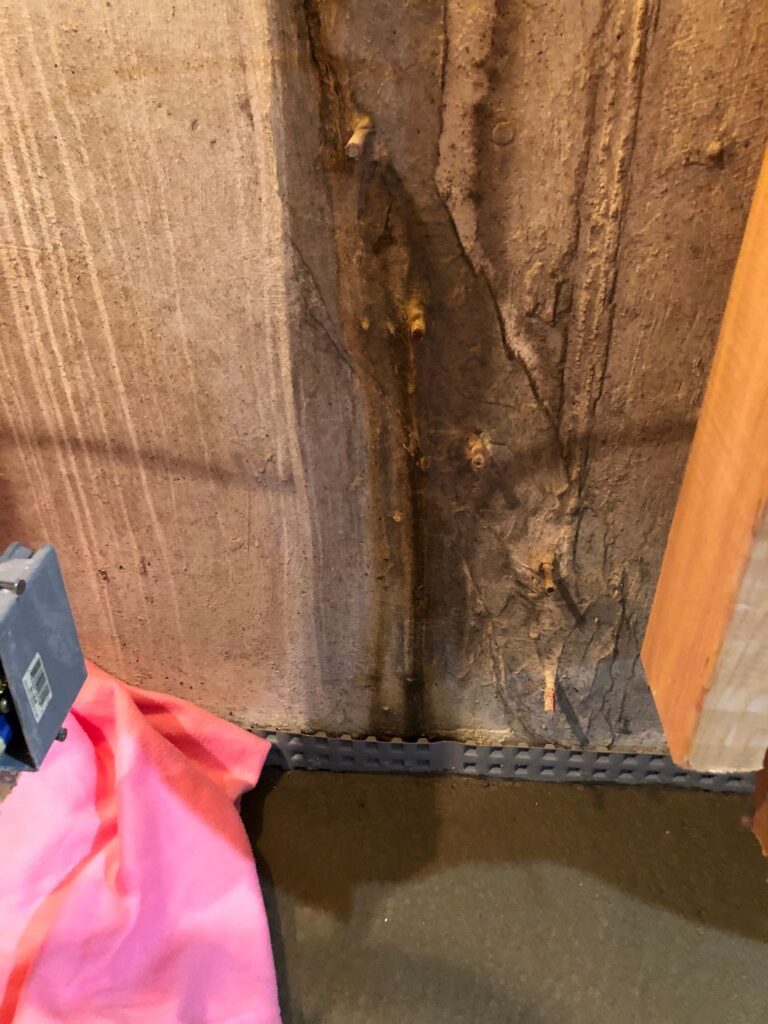
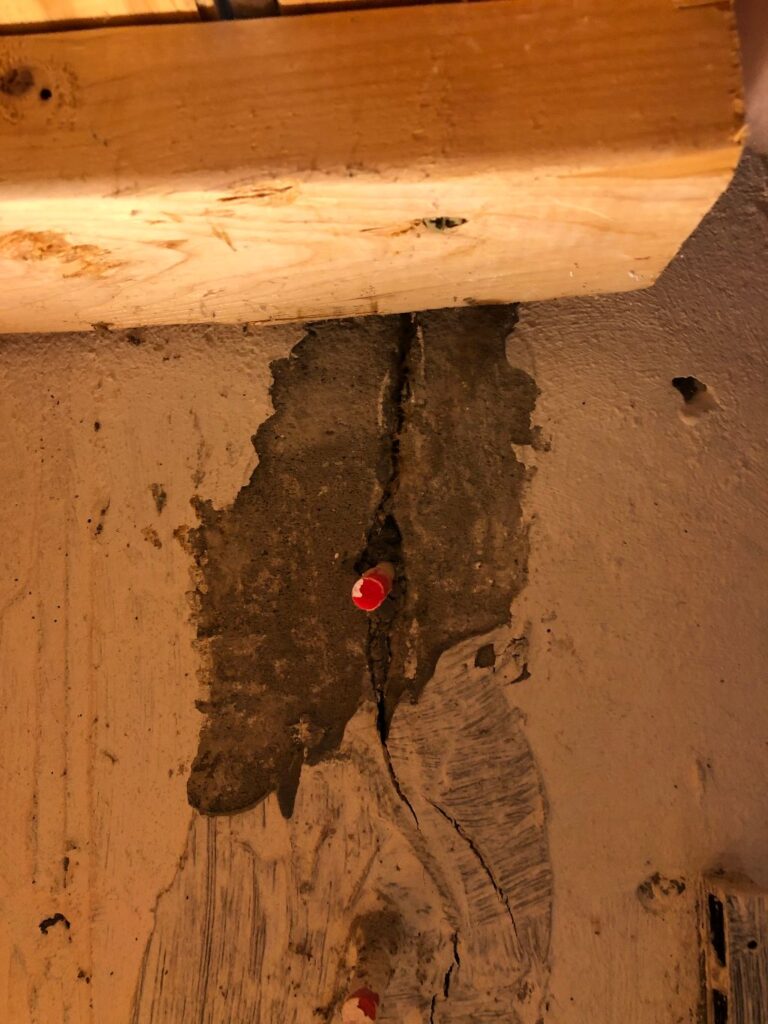
What Is Foundation Crack Repair?
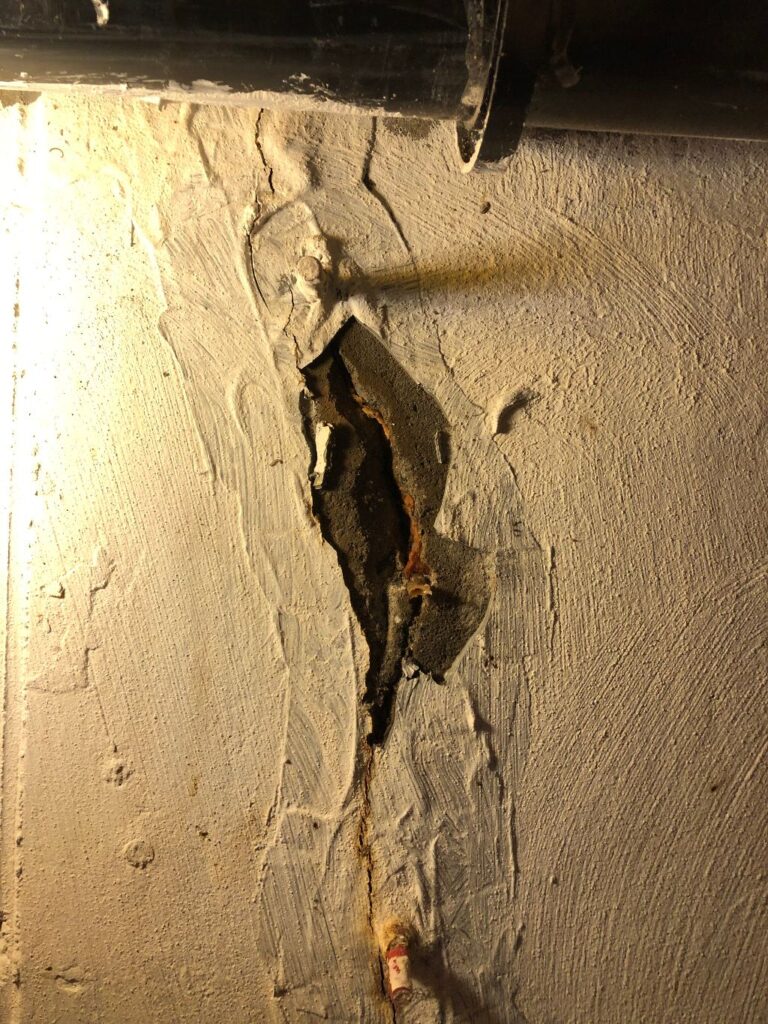
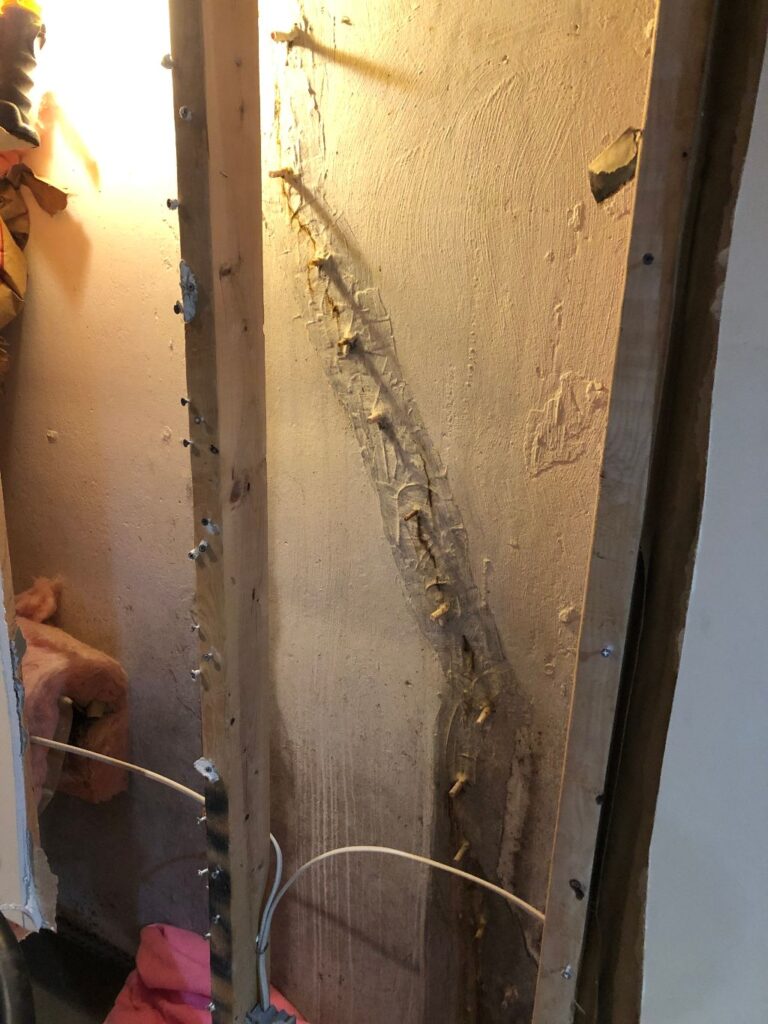
Foundation cracks in New Jersey homes is the engineered process of restoring structural strength and hydraulic impermeability in below-grade concrete and masonry. It fixes failures caused by differential settlement, hydrostatic pressure loading, and freeze–thaw cycles that are common in the Mid-Atlantic region. The main goal is to stop water flow through cracks and prevent internal steel from corrosion.
The crack repair process uses high-pressure injection systems to fill full-depth foundation cracks with specialized repair materials. For dormant structural cracks, we use epoxy with 7,000 PSI to “weld” the concrete together. For active cracks or leaks that move due to thermal expansion or groundwater pressure, we inject hydrophilic polyurethane resin that expands up to 20 times its volume. It form a flexible and permanent waterproof seal that adjusts to movement.
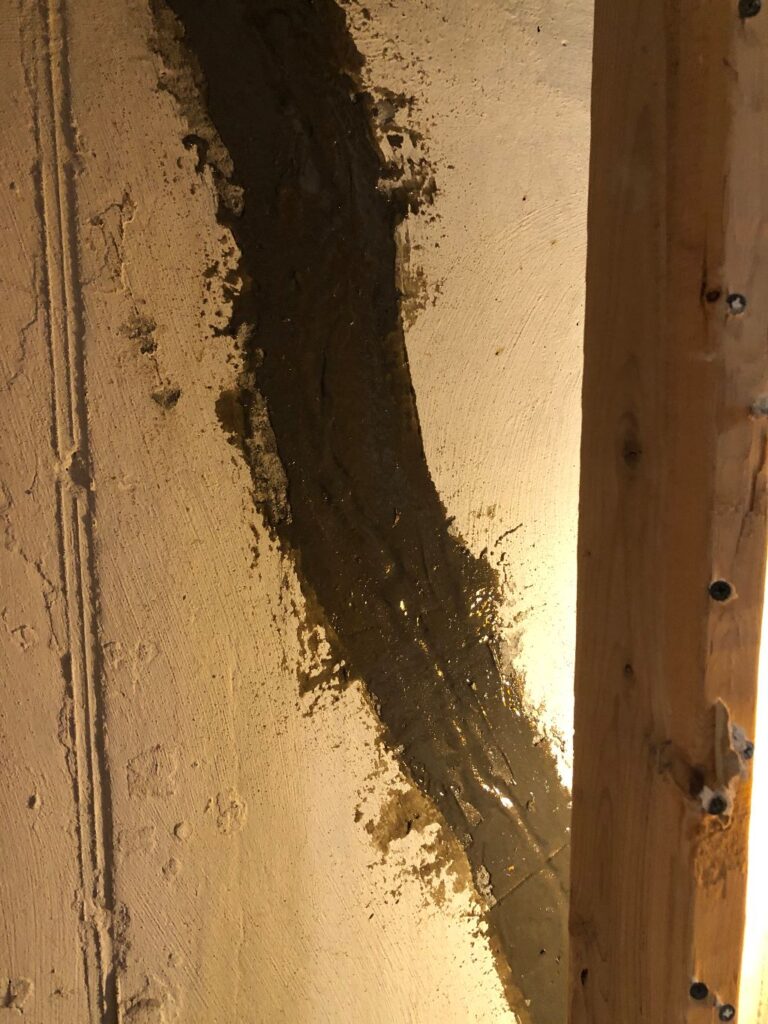
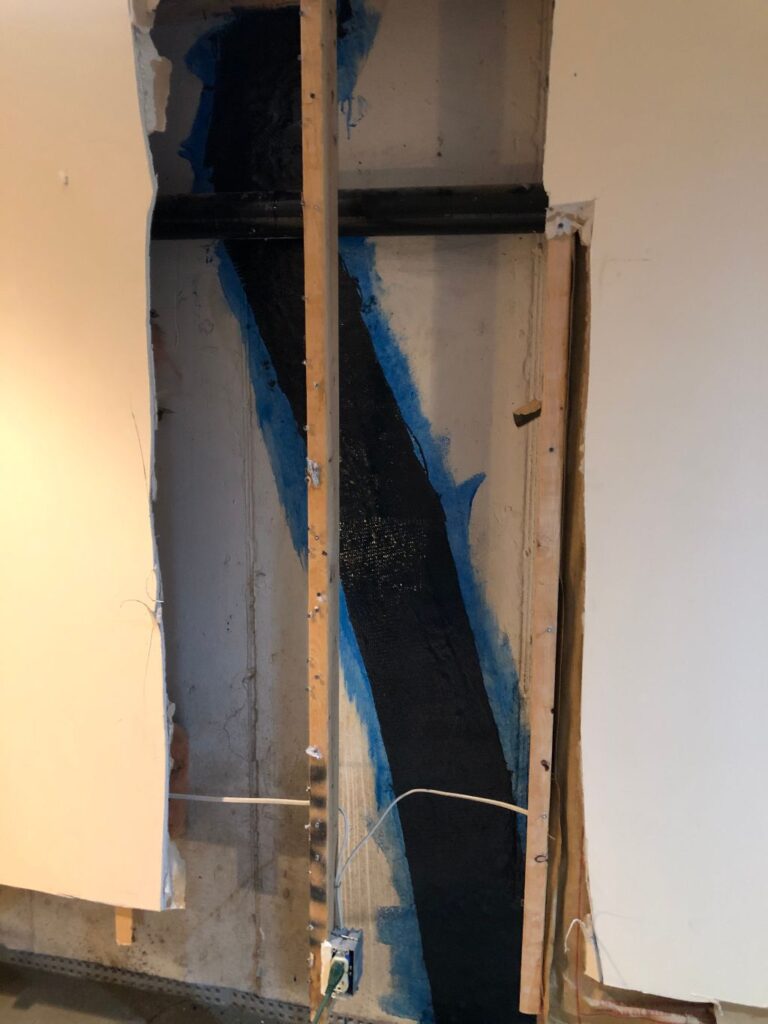
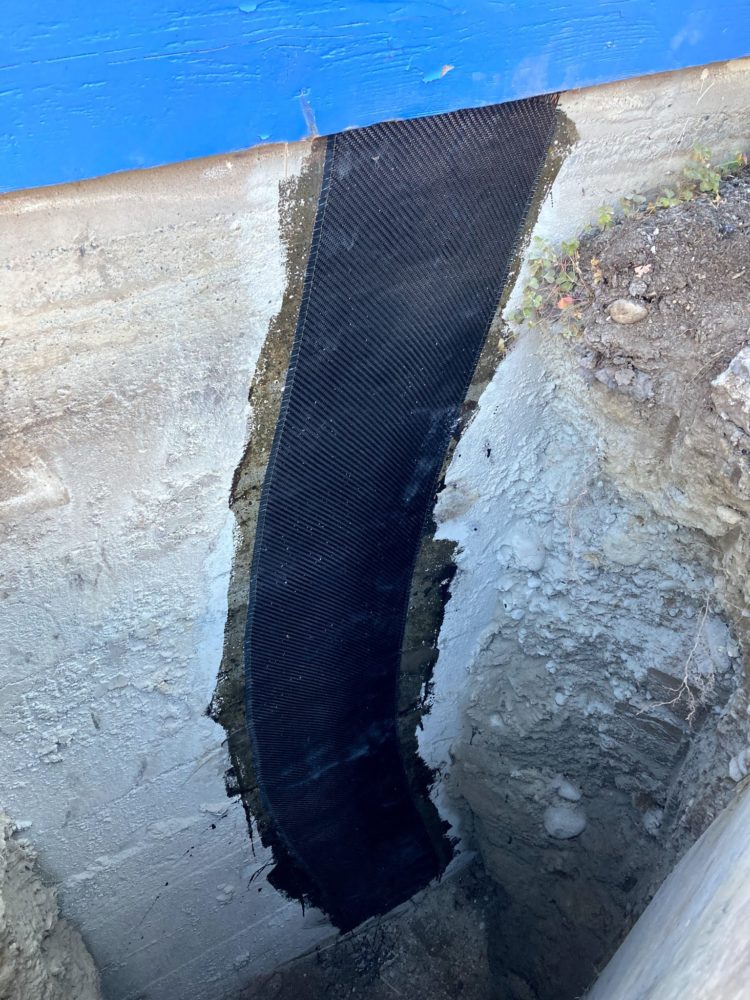
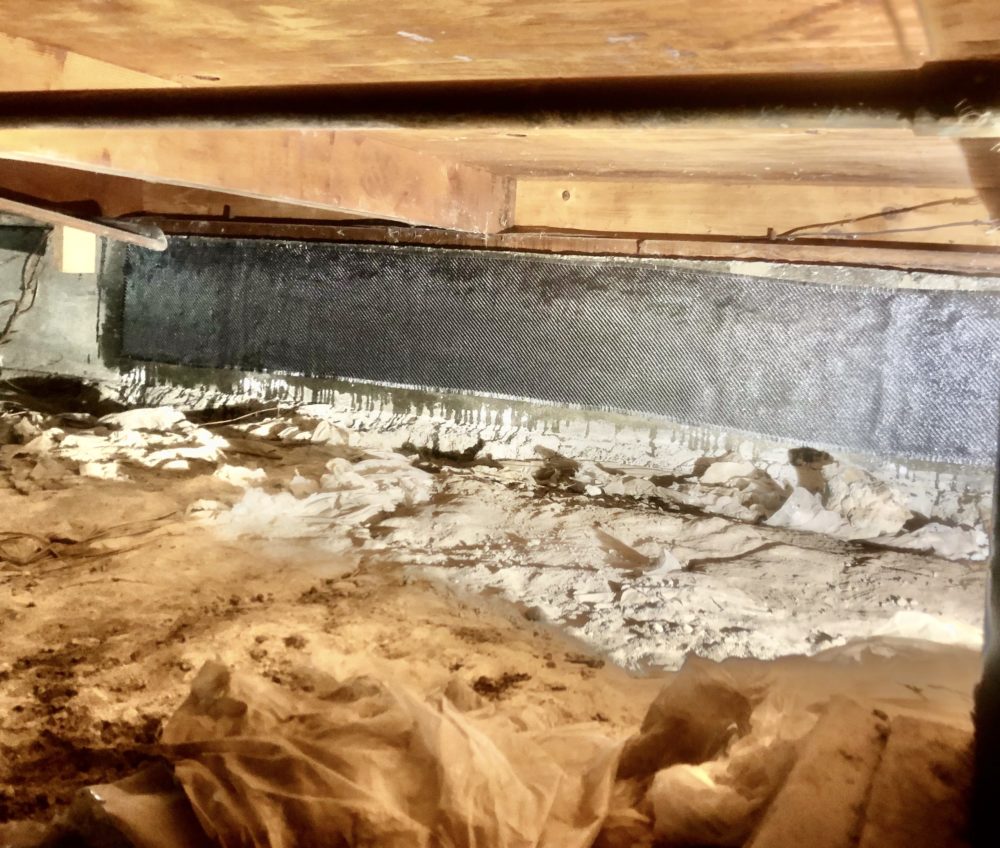
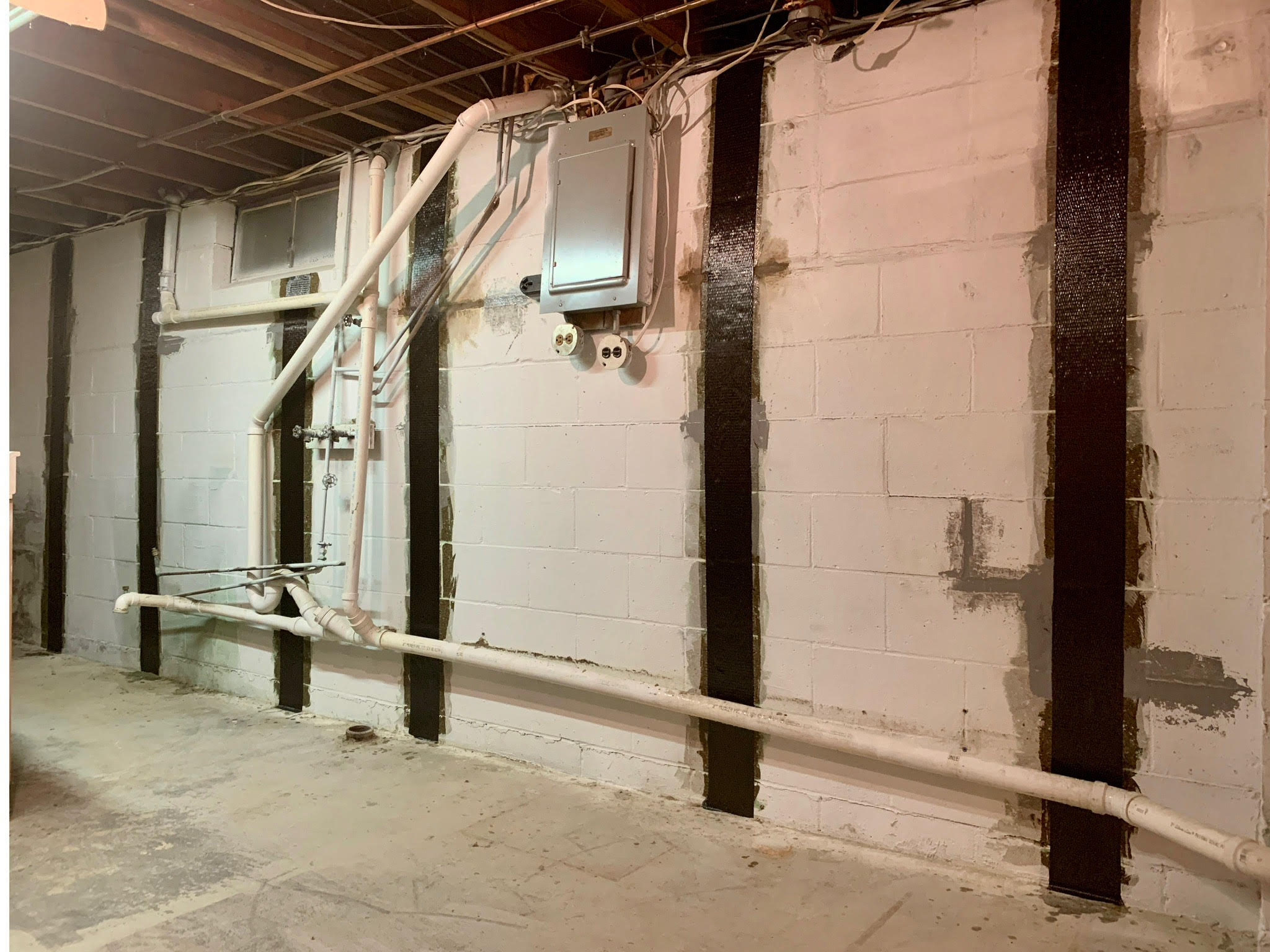
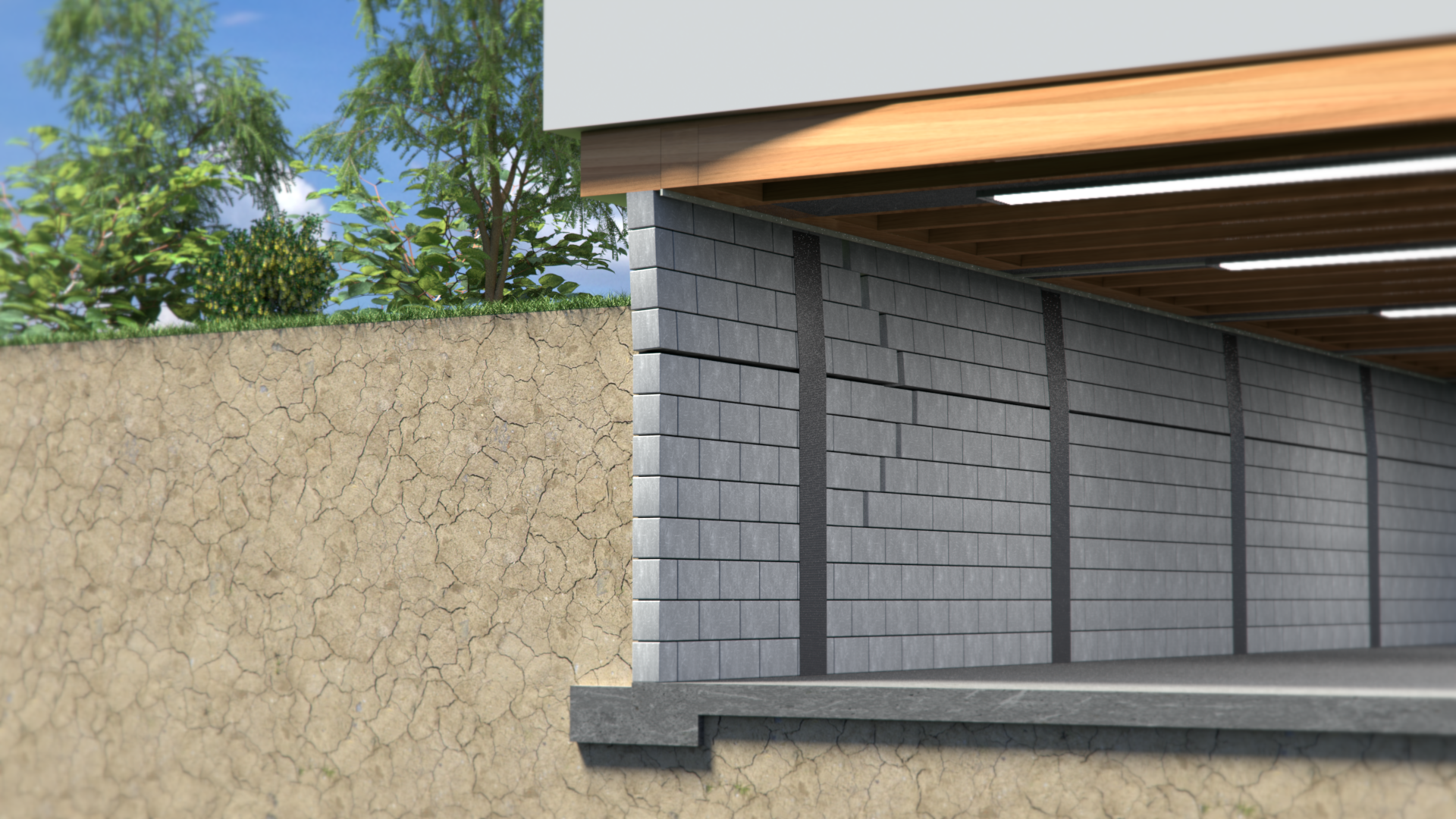
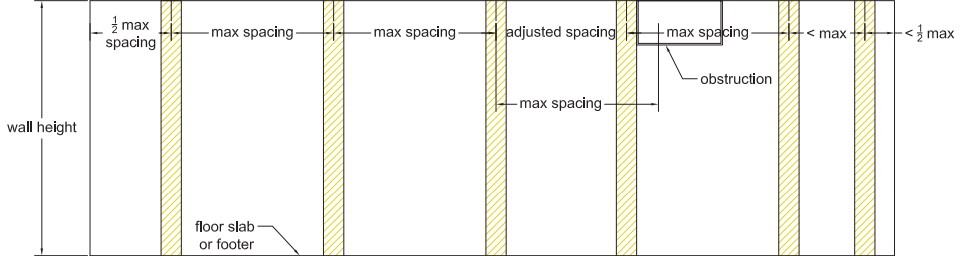
In cases where foundation walls are bowing or experiencing lateral deflection, DryMaster uses 600 GSM unidirectional carbon fiber straps that bond to the wall surface. It provides tensile strength up to 10 times stronger than steel. This system resists up to 60 PSF lateral soil pressure from expansive clay soils.
What Are the Primary Causes of Foundation Cracks?
The primary causes of foundation cracking are hydrostatic pressure, lateral soil pressure, differential settlement, freeze–thaw cycles, and concrete shrinkage. These forces exceed the natural tensile capacity of concrete, which is around 300 PSI, and lead to structural fractures over time.
4 primary causes of foundational cracks are listed below.
1. Hydrostatic and Lateral Pressure
Hydrostatic pressure is created when groundwater saturates the soil around the foundation and pushes against basement walls. In New Jersey’s clay soil, this pressure reach up to 60 PSF per linear foot. The soil causes horizontal cracks, shear stress, and inward bowing of foundation walls.
2. Differential Settlement
Differential settlement happens when the soil beneath the foundation does not compact evenly or changes moisture levels over time. Areas of the footing sink creates stress across the basement structure. This leads to vertical or diagonal step cracks, in mortar joints and foundation lines.
3. Freeze–Thaw Cycles
Freeze–thaw cycles occur when water enters small cracks and freezes in cold weather. When water freezes, it expands by about 9%, which increases internal pressure inside the concrete. Repeated freezing and thawing widens hairline cracks as small as 0.002 inches and causes surface spalling that weakens concrete at basement level.
4. Shrinkage and Curing Stress
Shrinkage cracks form during the curing process when concrete loses moisture and reduces in volume. This creates vertical hairline fissures in the foundation. These cracks start as non-structural, and later become active leakage paths under hydrostatic pressure.
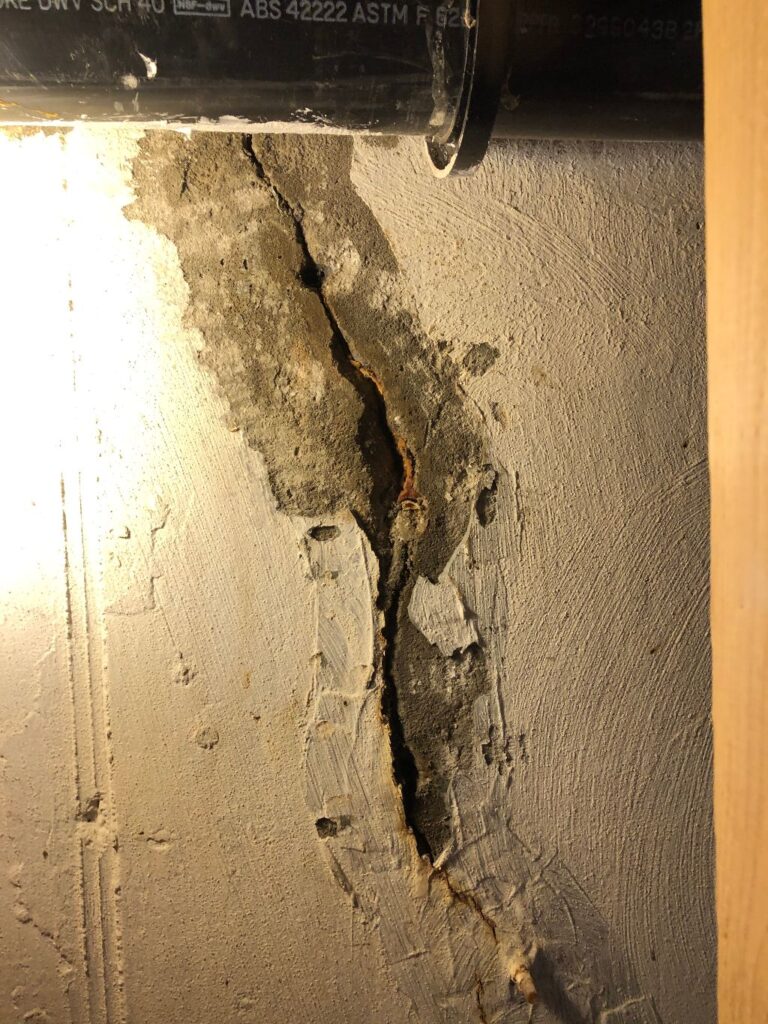
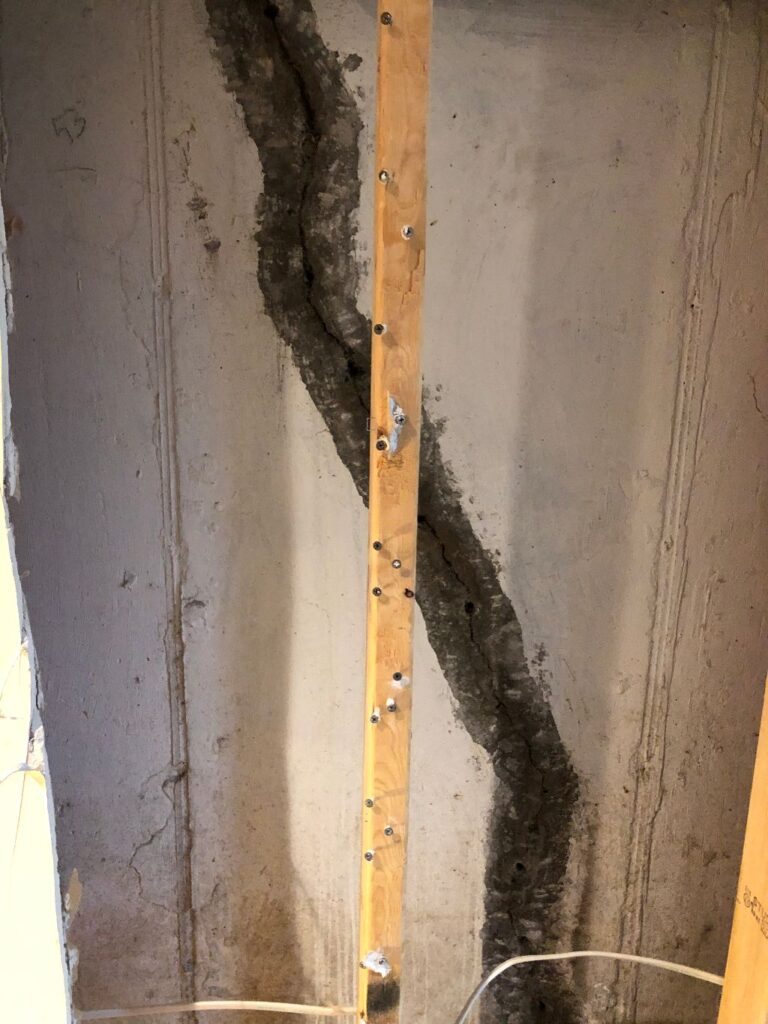
What are the main types of Foundation Cracks?
The types of foundation cracks are vertical cracks, horizontal cracks, diagonal or stair-step cracks, and hairline cracks. Each type reflects different structural forces like shrinkage, settlement, or lateral soil pressure acting on the foundation.
4 main types of foundational cracks are listed below:
1. Vertical Cracks
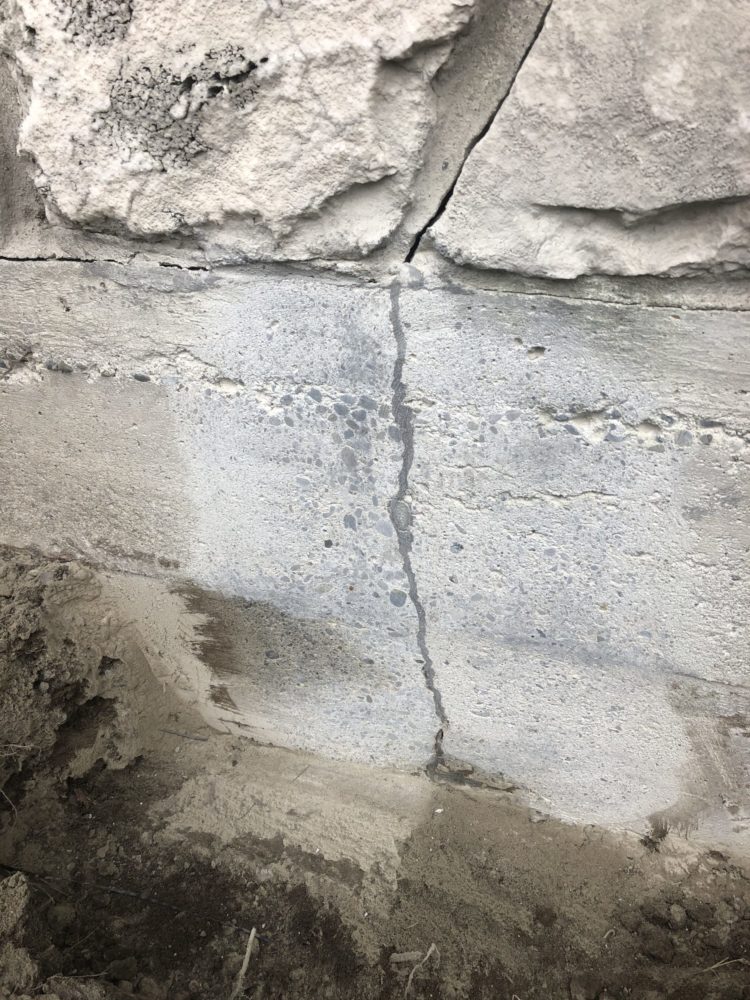
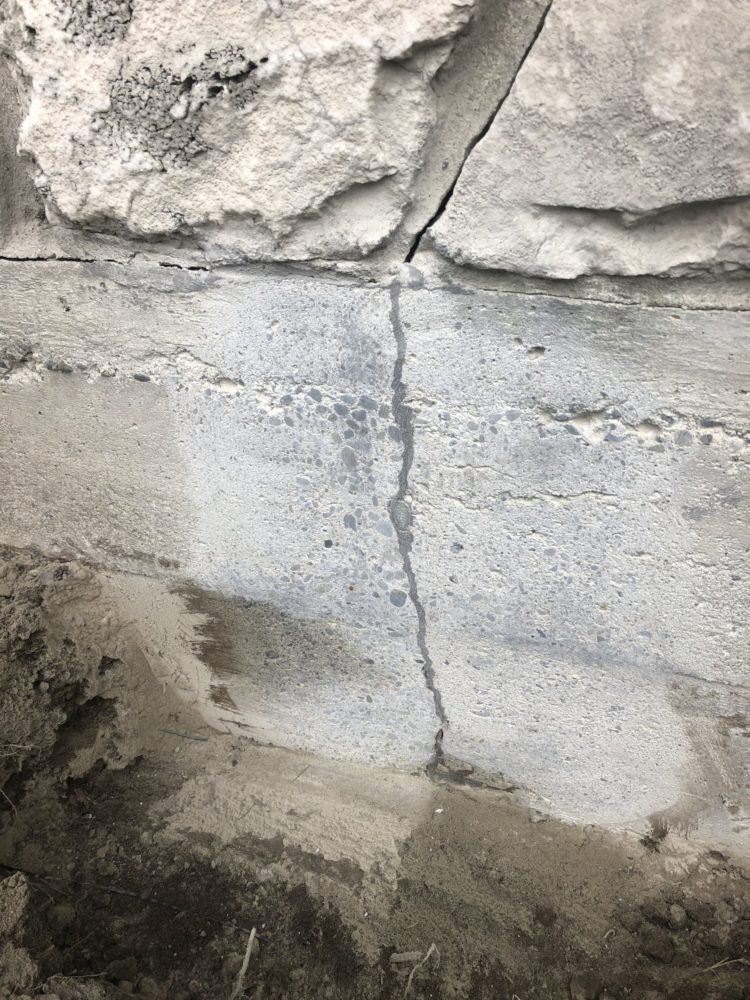
Vertical cracks are caused when concrete shrinks during curing or when soil settles under the structure. They appear straight or in pairs. These cracks are non-structural at first, but if they become 1/16 inch, they allow water to enter. These vertical cracks are repaired through sealing or injection.
2. Horizontal Cracks
Horizontal cracks form due to strong pressure from soil and groundwater pushing against basement walls. This pressure comes from hydrostatic force and expanding wet clay soil. These cracks are serious because they show the wall is bending inward and under stress, which require structural reinforcement waterproofing method.
3. Diagonal or Stair-Step Cracks
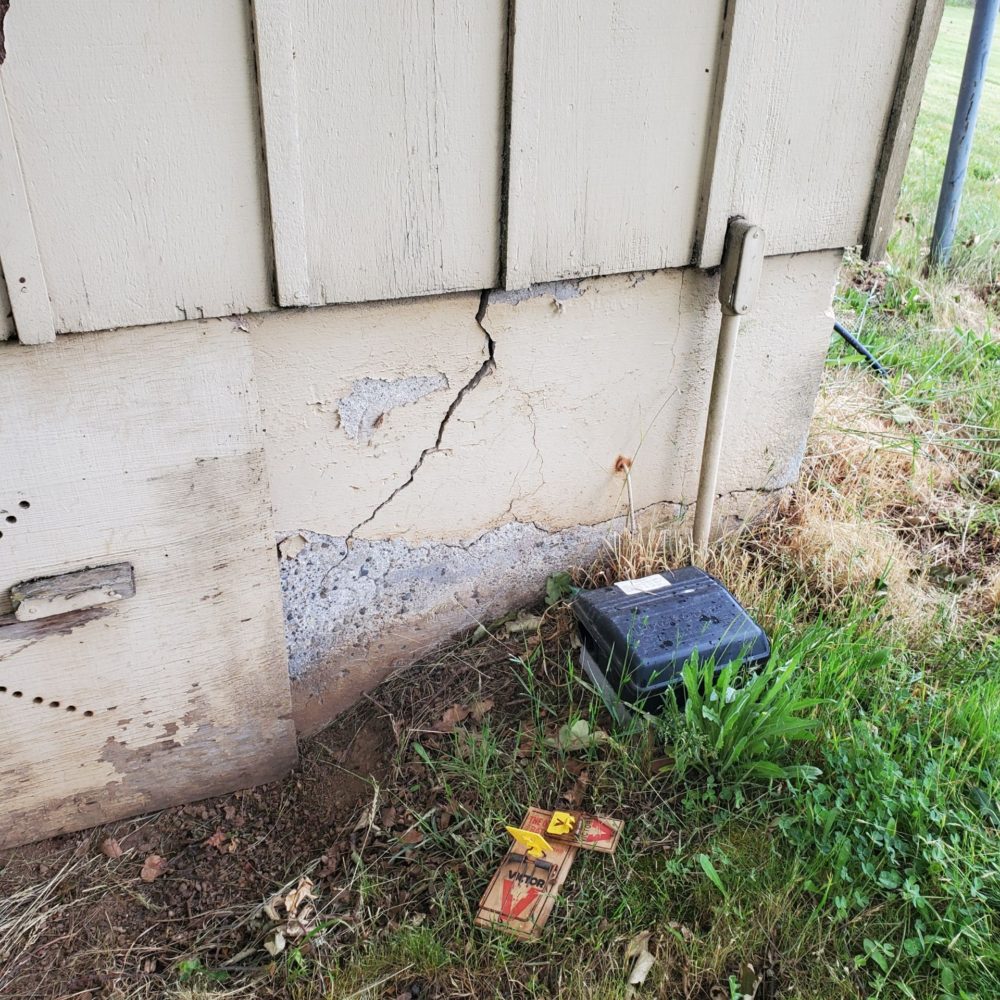
Diagonal or stair-step cracks appear in block or brick foundations. They happen when different parts of the foundation move unevenly or when soil expands and contracts due to moisture or freezing. These cracks weaken the base wall structure and become paths for water seepage.
4. Hairline Cracks
Hairline cracks are minute cracks that form during drying of concrete. They are thin and not structural at the beginning. These hairline cracks allow moisture to pass through slowly, which lead to dampness, salt deposits, and early signs of leakage.
What Happens If Foundation Cracks Are Not Repaired?
The consequences of unrepaired foundation cracks are structural damage, hydrostatic wall failure, mold growth, differential settlement, system deterioration, and property value loss. These issues worsen over time as water intrusion and soil pressure continue to act on the structure.
6 consequences happens if foundation cracks are not repaired on time.
1. Structural Stability Loss and Rebar Corrosion
When cracks are left open, water enters the concrete and reaches steel reinforcement bars. This causes corrosion, and rust expansion puts internal pressure on concrete. Over time, the concrete begins to break and the foundation loses its load-bearing capacity.
2. Hydrostatic Wall Movement and Failure
Unrepaired horizontal cracks show that the wall is under heavy soil pressure. Continuous hydrostatic force pushes the wall inward, that causes bowing and structural deformation. If movement continues, the wall lose stability and collapse in extreme cases.
3. Mold Growth and Indoor Air Quality Issues
Small cracks like hairline cracks allow moisture to enter the basement and increase humidity levels. High moisture creates mold and fungi that leads to poor indoor air quality, musty odors, and respiratory problems from bacterias.
4. Differential Settlement Acceleration
Water entering through cracks weakens the soil under the foundation. As the soil softens, parts of the foundation sink unevenly. This causes uneven floors, sticking doors, window misalignment, and new cracks forming in upper walls as stress spreads through the structure.
5. Mechanical and Electrical System Damage
Moisture from foundation cracks reach electrical wiring and HVAC components. This leads to corrosion, short circuits, and reduced system efficiency. Over time, it increases maintenance costs and premature failure of electric systems.
6. Property Value Reduction and Inspection Failure
Unrepaired foundation cracks lower property value. Buyers and inspectors see them as major structural risks. This reduce resale value of your house.
What Are the Common Methods DryMaster uses for Crack Repair?
The common methods DryMaster uses for crack repair are surface patch repair, epoxy injection repair, polyurethane injection, and carbon fiber reinforced polymer CFRP system. These methods are selected based on crack activity, depth, water pressure, and structural severity to restore both hydraulic sealing and structural integrity.
4 methods that DryMaster uses during the crack repair to make basement waterproof are listed below.
1. Surface Patch Repair
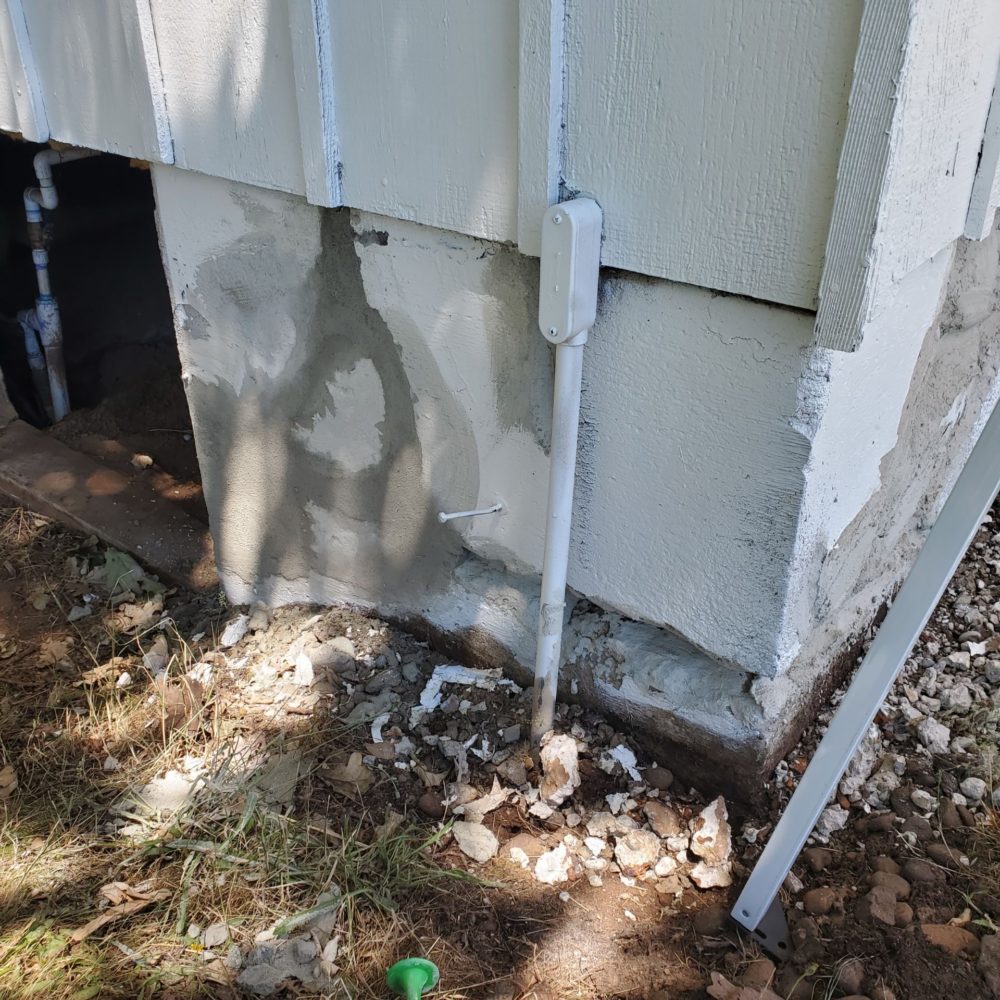
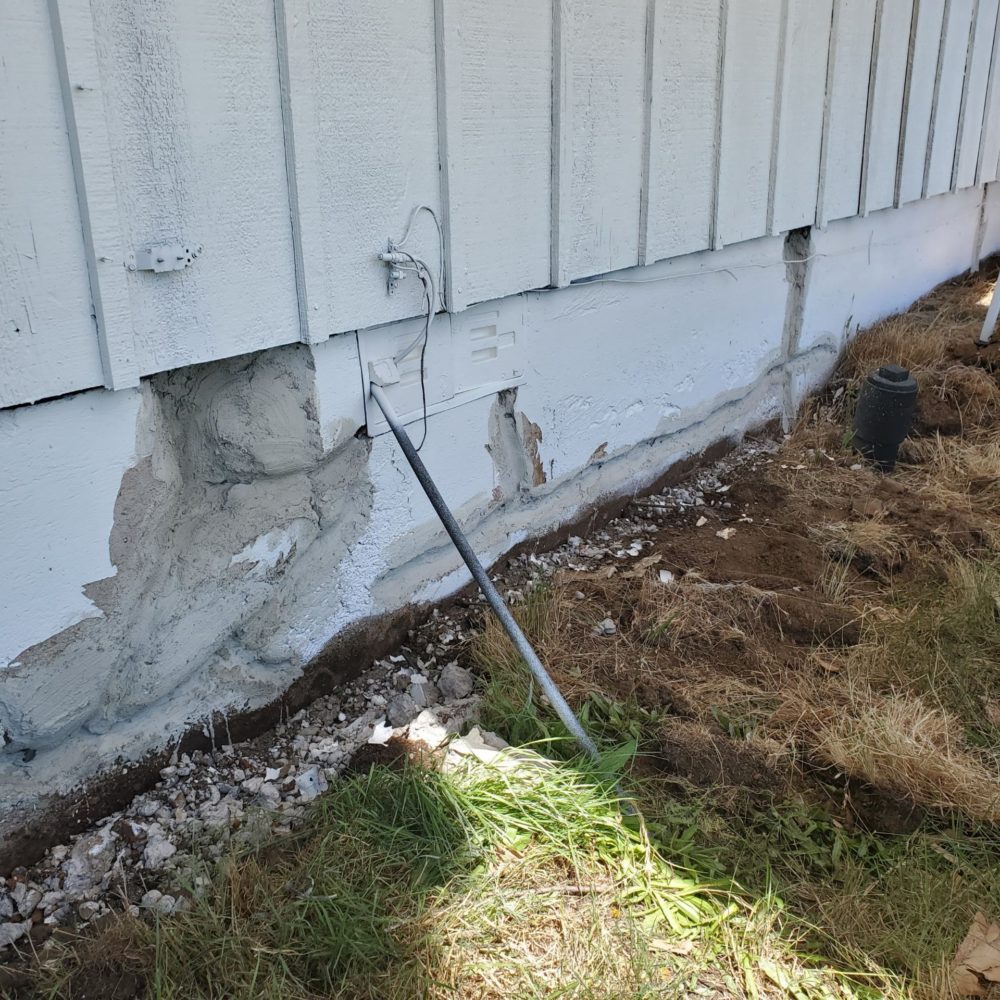
Surface patch repair uses hydraulic cement or sealants to cover visible cracks on the surface. It only treats very shallow defects around 0.02 inches and does not reach the full foundation thickness, which is 8 to 12 inches. These materials have low tensile strength under 300 PSI so it fail under hydrostatic pressure and freeze–thaw cycles. This leads to reopening of cracks and continued water intrusion.
2. Epoxy Injection Repair
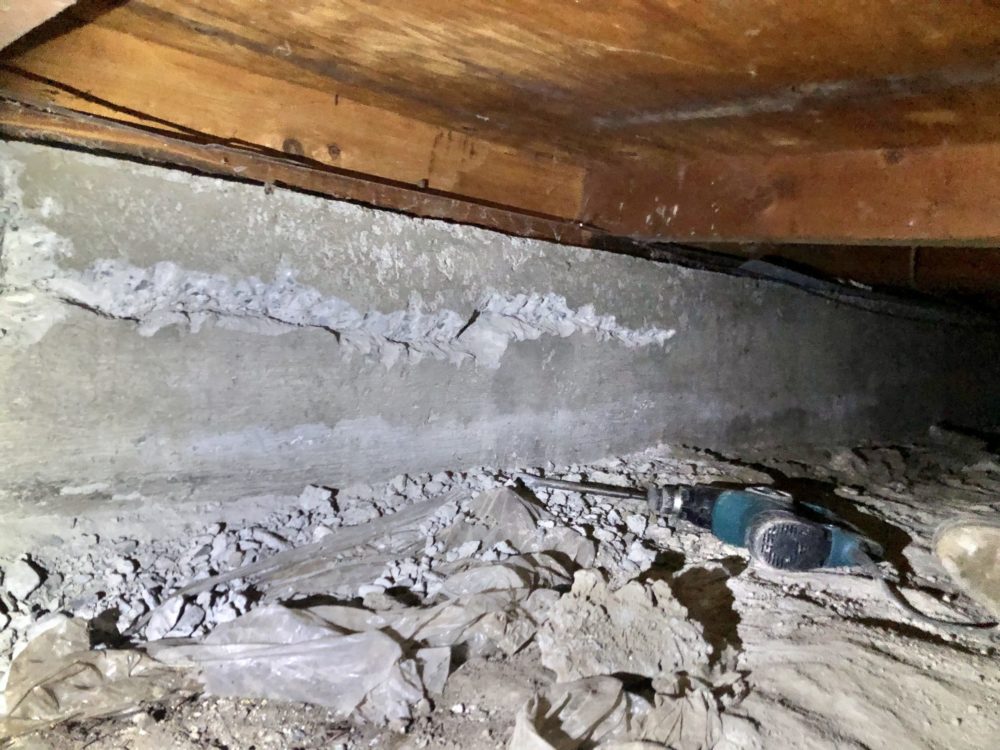
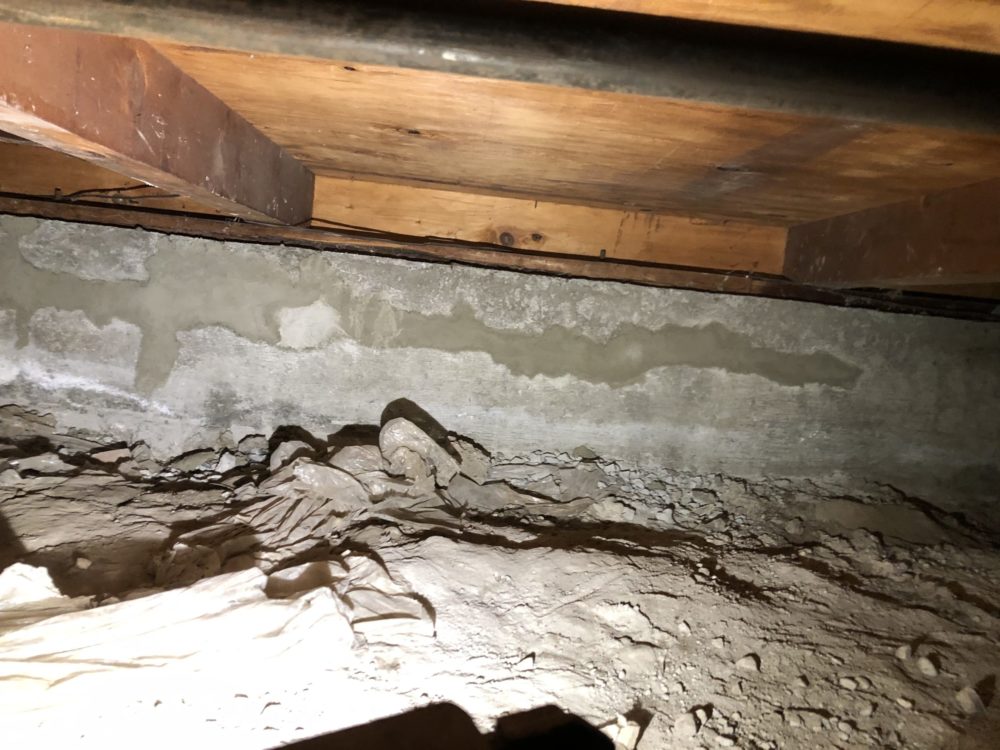
Epoxy injection repair is used for dormant structural cracks that are not actively leaking. It uses high-modulus structural epoxy with compressive strength between 10,000 PSI to 12,000 PSI. The epoxy is injected under pressure through ports to fill the full depth of the crack. It re-establishes load transfer across the fractured section.
3. Polyurethane Injection
Polyurethane injection is used for active water leaks and moving cracks. The hydrophilic polyurethane resin reacts with water and expands up to 20 times its original volume. This expansion creates a flexible, closed-cell foam barrier inside the crack. It remains elastic, so it handle minor movement and thermal expansion during advective water flow.
4. Carbon Fiber Reinforced Polymer CFRP System
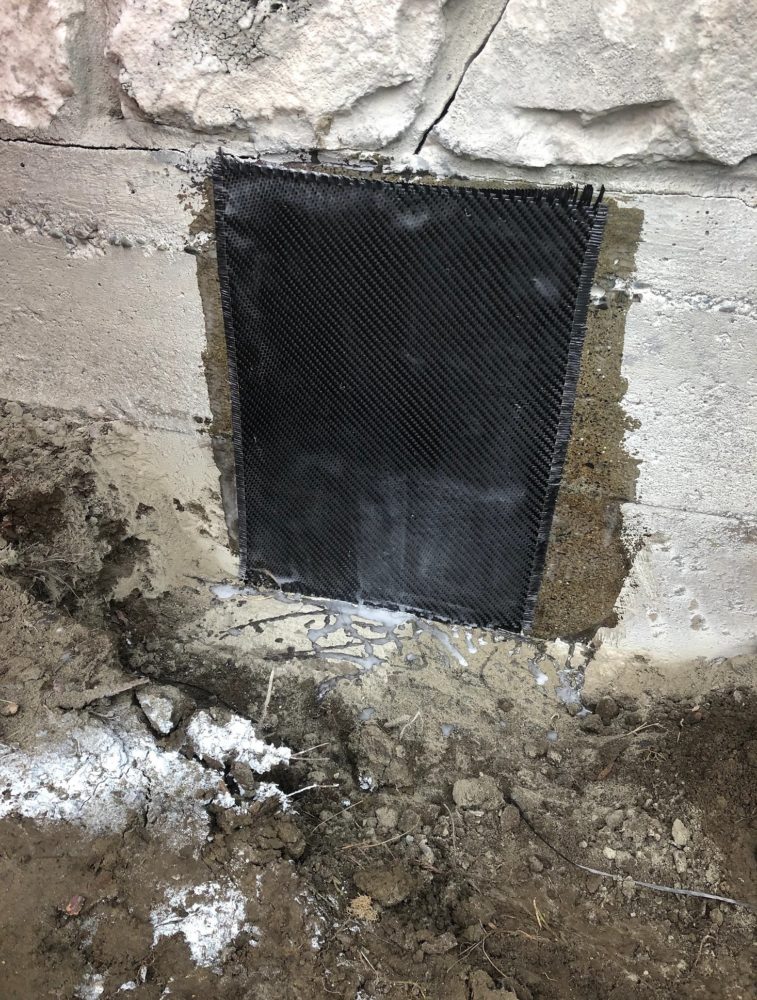
The carbon fiber reinforced polymer CFRP system is used for walls that show bowing or lateral deflection due to soil pressure, of around 60 PSF. This system uses 600 GSM unidirectional carbon fiber straps bonded with structural epoxy to the wall surface. CFRP is a structural reinforcement method used by DryMaster to stop crack propagation without major excavation.
What Types of Structures DryMaster Repaired?
The types of structures DryMaster repaired for basement waterproofing include basement walls, concrete floors, foundation footings, retaining walls, and garage slabs. These structures are treated using engineered crack repair, waterproofing, and structural reinforcement systems to restore load-bearing capacity and prevent hydraulic failure.
5 types of home structures DryMaster repaired are listed below.
1. Basement Walls
DryMaster repairs both poured concrete and concrete masonry unit CMU basement walls. These walls develop horizontal shear cracks due to lateral soil pressure around 60 pounds per square foot and vertical shrinkage cracks during curing. High-pressure injection systems are used to seal water pathways. We uses carbon fiber reinforced polymer CFRP to resist wall bowing and stop structural movement.
2. Concrete Floors
Concrete floor slabs are repaired when they crack due to hydrostatic uplift pressure or soil movement beneath the slab. DryMaster uses low-viscosity resin injection to fill internal voids and stabilize fractures. In sub-floor drainage systems we use French Drains with perforated PVC pipes to relieve water pressure beneath the slab.
3. Foundation Footings
Foundation footings are repaired when cracks threaten the structural load distribution of the entire building. These cracks can lead to uneven settlement and structural instability. DryMaster uses high-strength structural epoxy with compressive strength above 7,000 PSI to bond fractured sections and restore the foundation footing’s ability to transfer dead loads and live loads safely into the supporting soil layers.
4. Retaining Walls
Retaining walls are exposed to constant lateral earth pressure and high moisture content behind the structure. DryMaster repairs these walls by sealing drainage failures and reinforcing weak sections with carbon fiber grids. This helps prevent sliding, overturning, and structural collapse caused by excessive hydrostatic pressure.
5. Garage Slabs
Garage slabs are repaired when they develop cracks due to vehicle loading, freeze–thaw cycles, and exposure to road salts. DryMaster uses industrial-grade epoxy or polyaspartic materials to fill deep cracks and restore surface strength. This process improves resistance to moisture infiltration, chemical damage, and surface deterioration over time.
How Does DryMaster Solve Crack and Foundation Issues in NJ?
DryMaster solves crack and foundation issues in New Jersey through a structured five-step engineered remediation protocol. This system addresses hydrostatic pressure, soil movement, and structural stress using inspection, classification, material selection, reinforcement, and waterproofing integration.
1. Inspection and Crack Mapping
DryMaster begins with a structural inspection of the foundation. Engineers use laser levels and crack-width gauges to measure every crack, including micro-fissures 0.002 inches. Each crack is analyzed for length, width, and direction. This tells whether the cause is hydrostatic pressure, soil expansion, or differential settlement.
2. Identifying Structural vs Non-Structural Cracks
In this step, cracks are classified based on their structural impact. Non-structural cracks usually result from concrete shrinkage and curing, while structural cracks indicate serious issues like shear failure or lateral pressure. Horizontal cracks in the middle section of basement walls are treated as high-risk because they indicate the wall is under excessive 60 PSF lateral soil pressure and may be approaching structural failure.
3. Selecting Epoxy, Polyurethane, or CFRP System
After classification, the repair material is selected based on crack behavior. High-modulus epoxy with 10,000 PSI is used for dormant structural cracks. Hydrophilic polyurethane is used for active leaks because it expands and seals moving water pathways. Carbon fiber reinforced polymer CFRP using 600 GSM straps is selected when walls show bowing or lateral deflection.
4. Structural Sealing and Reinforcement
DryMaster performs high-pressure injection through port-to-port systems for deep penetration across the 8 to 12 inch foundation wall. This restores internal continuity of concrete. CFRP straps are used to prevent further crack propagation.
5. Waterproofing Integration for Long-Term Protection
Finally, DryMaster integrates a full waterproofing system to prevent recurrence of damage. This includes Type C drainage systems with 4 inch perforated PVC pipes and sump pumps with 3,000 GPH to 4,500 GPH capacities. This reduces hydrostatic pressure buildup around the foundation for structural stability and moisture control.
Why Choose DryMaster for Crack Repair in New Jersey?
- Advanced CFRP structural reinforcement technology
We use carbon fiber reinforced polymer systems with high tensile strength to stabilize bowing and cracked foundation walls. - Long-term waterproofing and crack prevention
We integrate drainage and sealing systems that reduce hydrostatic pressure and prevent future water intrusion. - Solutions designed for NJ soil and climate conditions
Our team is engineered specifically for New Jersey’s expansive clay soil and freeze–thaw cycles that cause foundation damage. - Proven durability for residential and commercial structures
Delivers long-lasting structural stability for both homes and large-scale commercial concrete systems. - 30+ years of foundation repair expertise
Backed by decades of basement waterproofing field experience in diagnosing and repairing complex structural and waterproofing failures.
Frequently Asked Questions